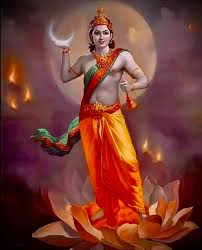
As September 2026 settles in and the heavy retreating monsoon clouds give way to the clear, golden afternoons of Sharad ritu (शरद ऋतु), families across India begin turning their attention to the samskaras that mark a child’s early months. If your little one is approaching six to ten months of age, you are likely already searching for the perfect annaprasan muhurat 2026 — that sacred window when the first grain of rice is offered to the baby. This year, the post-monsoon clarity of September offers an exceptionally clean panchang (पंचांग) landscape, with several shubh tithis and nakshatras aligning for the annaprashan (अन्नप्राशन) ceremony. Let us walk through the dates, the lagna rules, and the small astrological details that turn a family ritual into a spiritually potent blessing.
What is Annaprashan? The Vedic Samskara Behind the First Bite
In the Vedic tradition, the journey of a human being is marked by sixteen sacred samskaras (षोडश संस्कार) — rites of passage that refine and elevate the soul at every stage. Annaprashan, also called annaprashana or choroonu, is the ceremony that introduces solid food to the infant. It is traditionally performed when the child is six months old (for girls) or eight months old (for boys), though many families extend this to the tenth month depending on gotra customs and regional traditions.
Classical texts like the Brihat Parashara Hora Shastra (BPHS) emphasize that the timing of these early samskaras imprints the child’s consciousness with the planetary energies active at that moment. The word anna (अन्न) itself means grain, and the act of feeding the first rice is not merely nutritional; it is a symbolic offering to Agni, the digestive fire, and a prayer for a life free from hunger and disease. In the Grihya Sutras, the act of feeding the first solid food is placed alongside the naming ceremony as a pivotal marker of survival and social integration. Before this, the child lives purely on the mother’s essence; after this, they begin their independent relationship with Prakriti (nature).
You will often hear elders say that the annaprashan muhurat must be chosen with the same care as a wedding muhurta. Why? Because this is the moment the child’s annamaya kosha (the food sheath) is ritually awakened. If the tithi (तिथि) is afflicted, or the nakshatra (नक्षत्र) is inauspicious, classical texts warn of potential digestive troubles, food allergies, or a general weakness of the physical body later in life. While modern medicine handles the biology, Jyotish handles the subtle energetics — and that is where a panchang-verified muhurat becomes essential.
Annaprashan Muhurat September 2026 — Panchang-Verified Shubh Tithis and Nakshatras
After cross-referencing the lunar calendar for North Indian and South Indian panchang traditions, the following dates emerge as the most promising for annaprashan in September 2026. These selections favor the sthira (fixed) and dual-natured nakshatras that support nourishment and growth, while avoiding the sharp, teevra (intense) energies of nakshatras like Bharani, Magha, and Vishakha, which classical muhurta shastras generally advise against for this samskara.
| Date | Tithi | Nakshatra | Paksha | Recommended Lagna | Special Notes |
|---|---|---|---|---|---|
| Sept 3 | Bhadrapada Shukla Tritiya | Hasta | Shukla | Kanya (Virgo) | Excellent for Mercury-ruled charts; clarity of digestion |
| Sept 9 | Bhadrapada Shukla Dashami | Anuradha | Shukla | Vrischika (Scorpio) | Saturn-ruled; deep emotional stability |
| Sept 13 | Bhadrapada Shukla Trayodashi | Dhanishta | Shukla | Makara (Capricorn) | Mars-ruled; strengthens jatharagni |
| Sept 16 | Ashwin Krishna Pratipada | Uttara Bhadrapada | Krishna | Meena (Pisces) | Lunar month transition; spiritually grounding |
| Sept 22 | Ashwin Krishna Saptami | Rohini | Kr whitaker Krishna | Vrishabha (Taurus) | Moon-ruled; emotional nourishment |
| Sept 26 | Ashwin Krishna Ekadashi | Mrigashira | Krishna | Mithuna (Gemini) | Mercury-Mars synergy; intellectual growth |
Why these specific nakshatras? Hasta represents the open hand — the very act of feeding. Anuradha offers loyalty and emotional stability, ensuring the child bonds well with food rather than developing aversions. Dhanishta, ruled by Mars, grants strength to the digestive fire (jatharagni). Uttara Bhadrapada is the latter half of the sacred feet of the serpent, associated with deep, restorative energy. Rohini is the star of nourishment itself, ruled by Prajapati, the creator. And Mrigashira combines the curiosity of the deer with the healing touch of Soma, making it ideal for an event that stimulates taste and sensory exploration.
September 16 stands out because it marks the transition into the Ashwin month and carries Uttara Bhadrapada, a nakshatra associated with deep spiritual grounding. However, if you are observing the Guru Asta period, note that Jupiter remains technically combust until roughly the third week of September 2026. While annaprashan can still proceed during combustion, classical texts prefer a strong Guru for blessings of wisdom and digestion. If your baby’s age allows, the latter half of September — particularly September 22 and 26 — offers a cleaner astrological sky.
Lagna Selection, Chandrabala and Tarabala for Your Baby's Janma Rashi
Choosing the date is only half the battle. The lagna (लग्न), or ascendant, at the time of the ceremony acts as the temporary ‘birth chart’ of the event itself. For annaprashan, we want a lagna that is either sthira (fixed) or chara (movable) but unafflicted. Taurus (Vrishabha), Gemini (Mithuna), Leo (Simha), Virgo (Kanya), Libra (Tula), Sagittarius (Dhanu), Capricorn (Makara), and Aquarius (Kumbha) are generally considered favorable for this samskara. We tend to avoid Scorpio (Vrischika) and Pisces (Meena) unless the lagna lord is exceptionally strong and the muhurta falls during an auspicious abhijit hour.
More important than the lagna itself is the chandrabala (चंद्रबल) — the strength of the transiting Moon relative to the baby’s own janma rashi (जन्म राशि). As per standard muhurta texts, the Moon should ideally occupy the 1st, 3rd, 6th, 7th, 10th, or 11th house from the birth moon for the ceremony to yield lasting positive results. If the Moon falls in the 4th, 8th, or 12th, the child may develop aversions to food or suffer from minor digestive complaints. This is not fear-mongering; it is simply the classical equivalent of choosing a calm day for an important journey.
Then comes tarabala (ताराबल). Count from the baby’s birth nakshatra to the Moon’s nakshatra on the proposed day. The 1st (Janma), 3rd (Vipat), 5th (Pratyak), and 7th (Naidhan) positions are considered vedha (obstructed) and should be avoided. The 2nd (Sampat), 4th (Kshema), 6th (Sadhana), 8th (Mitra), and 9th (Param Mitra) positions are welcoming. For example, if your baby was born under Mrigashira nakshatra, then on September 26 when the Moon is also in Mrigashira, the tarabala is Janma — not ideal. You would instead look at September 22 (Rohini), which is the 2nd from Mrigashira and falls under Sampat, a very supportive tara.
Let us look at another practical example. Suppose your baby was born under Punarvasu nakshatra. On September 3, when the Moon is in Hasta, you count forward from Punarvasu: Pushya (2), Ashlesha (3), Magha (4), Purva Phalguni (5), Uttara Phalguni (6), Hasta (7). Wait — that lands on Naidhan. Let me correct that. Counting properly from Punarvasu (1), the sequence to Hasta is actually the 6th position (Sadhana), which is excellent. On September 22, the Moon is in Rohini; counting from Punarvasu through the cycle, Rohini falls in a supportive Sampat relationship. But on September 26, Mrigashira would be Naidhan for a Punarvasu baby — so you would skip that date. This is why personal calculation matters.
💡 Quick Tip: If you do not know your baby’s exact janma rashi or nakshatra, you can quickly find it using the birth details. Many parents who completed the Namkaran ceremony already have this information from the naming priest.
Step-by-Step Annaprashan Vidhi, Mantras, and Astrological Do's and Don'ts
The beauty of annaprashan lies in its simplicity, but the vidhi (procedure) follows a strict inner logic. Here is how a typical ceremony unfolds, along with the astrological checkpoints you should keep in mind.
- Punyavachana and Ganesh Puja: The priest sanctifies the space. Ensure this begins after the badhaka (obstructive) planets' ruling hours — Rahu Kalam and Yamagandam — have passed.
- Sthapana and Sankalpa: The father or paternal grandfather takes a sankalpa (vow) on behalf of the child, stating the date, tithi, and gotra.
- Navagraha Puja: Since this is the child’s first formal interaction with anna (grain), pacifying the nine planets prevents future food-related allergies. A special prayer to Moon (for nourishment) and Jupiter (for digestion) is made.
- The First Feed: The father or maternal uncle places a tiny amount of payasam or rice mixed with ghee and honey on a silver or gold spoon. The mantra recited is: "Annaṃ brahmeti vyajānāt" — recognizing food as Brahman.
- Mirror and Ghee Darshan: The child is shown their reflection in a bowl of ghee or a clean mirror. This is believed to strengthen the self-image and protect against nazar (evil eye).
- Blessings and Dana: The ceremony concludes with anna-dana (food donation) to a young girl (kanya) or a learned brahmin.
The mantras are not just ornamental. When the father recites "Annaṃ brahmeti vyajānāt," he is affirming that this grain is a manifestation of the divine, not mere carbohydrates. This subtle imprint helps the child develop a respectful, conscious relationship with food later in life — something increasingly important in an age of processed diets. Another common mantra is "Om amṛtamasi..." from the Upanishads, which identifies the food with amrita, the nectar of immortality. The vibration of these sounds on the infant’s auric field is considered purifying.
From a muhurta perspective, always try to catch the Abhijit muhurta (midday roughly 11:40 AM to 12:20 PM local time) if it falls within your chosen date. Avoid bhoomi-shayana (Bhadra/Vishti karana) periods. And if you are scheduling in early September, be mindful that Guru is still asta; while not a dealbreaker, it is preferable to schedule after Jupiter emerges from combustion for stronger blessings.
Remedies and Alternative Dates If You Miss the Primary Muhurat
Life with a six-month-old is unpredictable. If your baby falls ill, if travel delays the family gathering, or if the chandrabala simply does not align, do not panic. The scriptures allow flexibility. The next stable window opens in October 2026, particularly after Jupiter rises from combustion, which adds a layer of wisdom and expansion to any samskara.
In the meantime, here are specific Vedic remedies to strengthen the ceremony even if the muhurta is slightly compromised:
- Annapurna Mantra: Have the mother chant "ॐ अन्नपूर्णे सदापूर्णे शंकरप्राणवल्लभे। ज्ञानवैराग्यसिद्ध्यर्थं भिक्षां देहि च पार्वति॥" 11 times before the ceremony. This invokes Devi Annapurna to bless the child with lifelong nourishment.
- Mahamrityunjaya for Health: If the baby has had any health concerns, the father should chant the Mahamrityunjaya Mantra 108 times on the day before the annaprashan.
- Gemstone Support (for Mother): If the baby’s natal Moon is weak (afflicted in the 6th, 8th, or 12th house of the birth chart), the mother can wear a natural Pearl (Moti) set in silver on the little finger of her right hand during the ceremony. Do not give gemstones directly to an infant.
- Charity (Dana): On the eve of the ceremony, donate rice, ghee, and white cloth to a young girl or a temple. This is known as anna-dana and specifically pleases Chandra and Annapurna.
- Fasting and Shuddhi: The mother (and ideally the father) should consume only sattvic food on the previous day. Avoid tamasik items like onion, garlic, and heavy non-vegetarian meals for 24 hours prior.
- Lifestyle Alignment: Set up the feeding seat so the baby faces East or North. Use a new wooden or silver bowl. Place a tulsi leaf in the first offering; it acts as a natural prasad and a subtle antiseptic.
💡 Quick Tip: If you must choose a fallback date outside September, aim for October 5–9, 2026, when the Moon transits Rohini and Mrigashira in the Shukla Paksha, and Jupiter is visibly rising from asta. Always cross-check with your city panchang.
🔮 Find Your Baby’s Perfect Muhurat
Don’t rely on generic dates alone. Generate a personalized Annaprashan Muhurat report on RashiByte using your baby’s exact birth details, janma rashi, and your city’s panchang.
Check Panchang Muhurat →Or ask our AI astrologer for personalized guidance on lagna and chandrabala.
Frequently Asked Questions About Annaprashan Muhurat 2026
What is the best age for annaprashan ceremony?
Classical texts generally recommend the sixth month for girls and the eighth month for boys. However, anywhere between the sixth and tenth month is considered acceptable, provided the child can sit with support and shows interest in food. Always prioritize the child’s health over rigid dates.
Can annaprashan be performed at night?
Ideally, no. The ceremony should be completed during the daytime, preferably in the morning or around noon (Abhijit muhurta). Evening and night ceremonies are generally avoided for auspicious samskaras because the tamoguna (inertia) increases after sunset.
What if the baby is sick on the muhurat day?
Health comes first. If the child has fever, severe colic, or any infection, postpone the ceremony. You can perform a simple puja on the intended day and reschedule the actual feeding for the next available shubh tithi. The divine intention (sankalpa) is what matters most.
Is Ashtami tithi completely forbidden for annaprashan?
While not absolutely forbidden, Ashtami — especially Krishna Paksha Ashtami — is generally avoided for annaprashan because it carries a sharp, cutting energy (related to Kalaratri and fierce forms of the Divine). Shukla Paksha Ashtami is less problematic but still not preferred by most purohits.
How to check chandrabala for annaprashan? (हिंदी में)
Chandrabala (चंद्रबल) means counting the houses from the baby’s janma rashi (birth moon sign) to the Moon’s position on the ceremony day. Favorable positions are 1st, 3rd, 6th, 7th, 10th, and 11th. Unfavorable are 4th, 8th, and 12th. You can calculate this instantly on RashiByte by entering the baby’s birth date and the proposed muhurat date.
Can annaprashan be done without a priest?
Yes, though a qualified purohit adds the sanctity of correct pronunciation and Vedic fire rituals. If a priest is unavailable, the father or grandfather can perform a simplified version using Ganesha puja, Navagraha stotra, and the Annapurna stotram, followed by the first feeding. Ensure you still respect the muhurta and tithi rules.
Choosing an annaprasan muhurat 2026 is less about perfection and more about alignment — aligning your child’s first taste of the physical world with the gentlest possible cosmic weather. September 2026 gives you a beautiful post-monsoon window, especially the latter half once Jupiter begins to clear the solar rays. Trust the panchang, honor your family traditions, and when in doubt, choose the date that feels calm, joyful, and logistically kind to the new mother. That peace of mind is the best muhurta of all.
— Written by RashibyteAI
No comments yet. Be the first to share your thoughts!