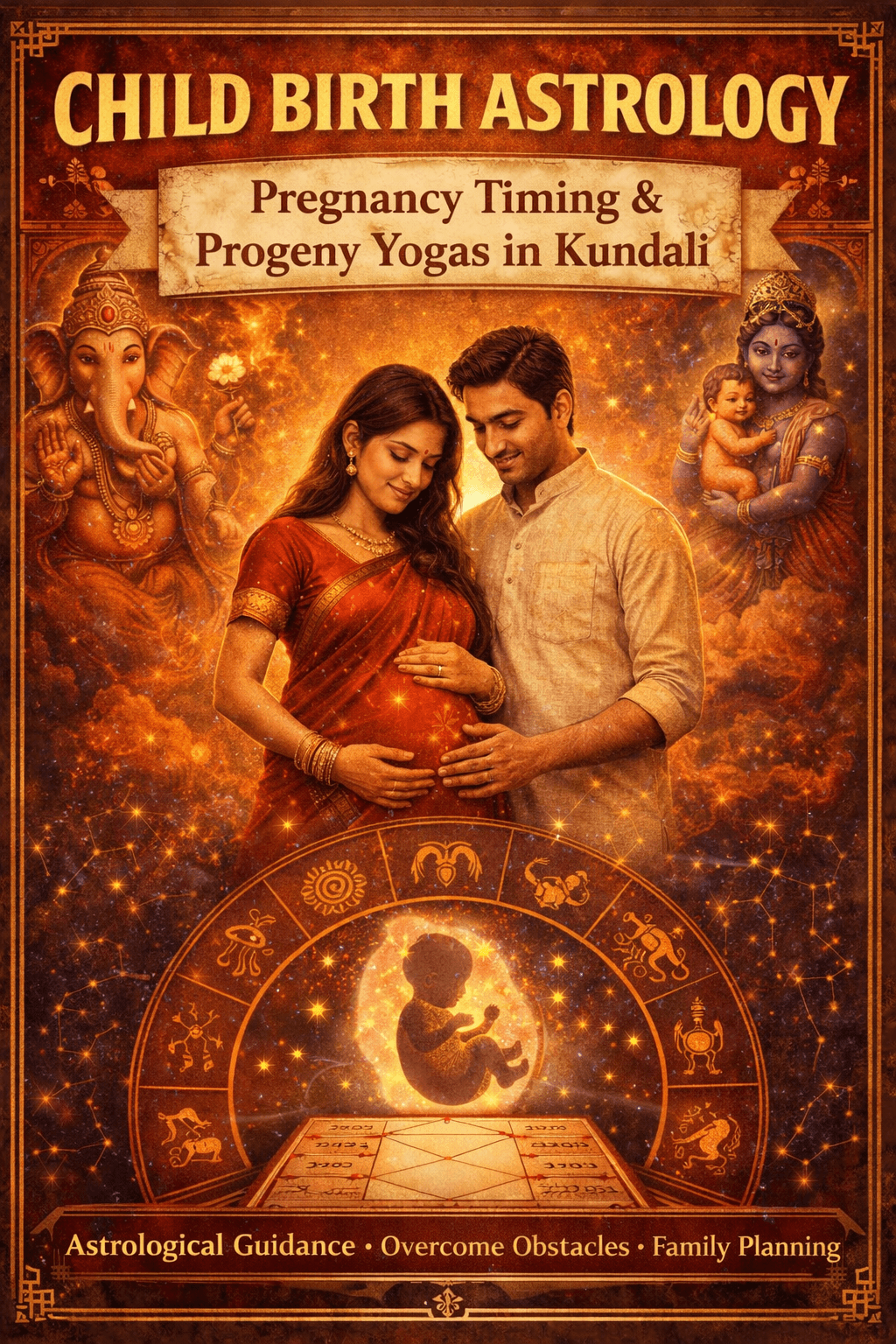
As we welcome the crisp Sharad ritu and the festive glow of October 2026, many families are busy preparing for one of the most cherished milestones in a child's early life — the Annaprashan Sanskar. This sacred first rice-feeding ceremony marks the moment when a baby transitions from solely milk-based nourishment to receiving solid food, and doing it under a shubh muhurat is believed to bless the child with robust digestion (Jatharagni), longevity, and a prosperous life. With Jupiter having recently entered Ashlesha nakshatra — a transit you can read about in our detailed guide on Jupiter Enters Ashlesha Nakshatra October 2026 — and the festive energies of the post-Pitru Paksha period creating a clean spiritual slate, October 2026 presents several beautiful windows for this auspicious event.
Understanding Annaprashan Sanskar: Vedic Roots and Child Prosperity
In Vedic tradition, the sixteen Sanskaras (Shodasha Samskara) are rites of passage that sanctify every stage of human life. Annaprashan — derived from Anna (grain) and Prashan (feeding) — is the ceremony where the child is introduced to solid food for the very first time. The Grihya Sutras and Dharma Shastras emphasize that this is not merely a culinary milestone but a sacred covenant between the child and Mother Earth (Prithvi). By offering the first bite of rice mixed with ghee and honey, the parents invoke the blessings of Annapurna Devi and the Vedic deity of digestion, Annadevata.
The Brihat Parashara Hora Shastra (BPHS), while primarily a Jyotish classic, reminds us that all samskaras must align with favorable graha dispositions to yield their full spiritual merit. For Annaprashan specifically, a strong Chandra (Moon) and a well-placed Brihaspati (Jupiter) in the child's natal chart or the transit chart ensure that the child's Jatharagni — the digestive fire — is kindled auspiciously. This is one of those placements that makes people nervous on Reddit threads, but the truth is simpler: when the Panchang is clear and the family intention (samkalpa) is pure, the ceremony bears immense fruit.
Traditionally, this sanskara is performed when the baby is six to ten months old, though regional customs vary. In October 2026, the post-monsoon clarity of the Sharad season makes it an especially vibrant time to perform the ritual, as Ayurveda tells us that the Vata begins to settle and digestive strength returns after the rains.
Panchang Parameters for Selecting the Perfect Annaprashan Muhurat
Choosing an Annaprashan muhurat is not about picking any "good day" from the calendar. It requires a careful look at the five limbs of the Panchang: Tithi, Nakshatra, Vara, Yoga, and Karana. For the first rice ceremony, we generally look for Sukhadi and Anandadi yogas, and we strictly avoid Vishti (Bhadra) Karana.
Shubh Tithis for Annaprashan include Dwitiya, Tritiya, Panchami, Saptami, Dashami, Trayodashi, and Purnima. These tithis carry the nourishing energy of Soma (the Moon) and are considered growth-oriented. On the other hand, Amavasya, Chaturdashi, and Rikta tithis (Chaturthi, Navami, Chaturdashi) are usually avoided because they lack the stability needed for a food-initiation ritual.
| Favorable Tithi | Favorable Nakshatra | Preferred Vara (Day) |
|---|---|---|
| Dwitiya | Rohini | Somvar (Monday) |
| Tritiya | Mrigashira | Budhvar (Wednesday) |
| Panchami | Hasta | Brihaspativar (Thursday) |
| Saptami | Anuradha | Shukravar (Friday) |
| Dashami | Shravana | Sunday (if nakshatra is good) |
| Trayodashi | Revati | — |
| Purnima | Uttara Bhadrapada | — |
When it comes to Nakshatra, the classics favor Sthira (fixed) and Mridu (soft) nakshatras. Rohini, Mrigashira, Hasta, Chitra, Anuradha, Shravana, Dhanishta, Shatabhisha, Uttara Bhadrapada, and Revati are considered excellent. Nakshatras like Bharani, Magha, and Moola are typically avoided for this particular sanskara. The Vara (day) also matters: Monday, Wednesday, Thursday, and Friday are generally preferred. As for the Lagna (ascendant), Vrishabha (Taurus), Mithuna (Gemini), Karka (Cancer), Simha (Leo), Tula (Libra), and Dhanu (Sagittarius) rising signs during the morning hours make excellent choices for Annaprashan in October 2026.
💡 Quick Tip: Always check that the Annaprashan muhurat does not fall during the child's Chandrashtama (Moon in the 8th house from birth Rashi) or on their Janma Nakshatra (birth star). Even a perfect tithi can become unfavorable if it clashes with these personal panchang factors. Generate your baby's detailed birth chart to verify this instantly.
Shubh Annaprashan Muhurat Dates in October 2026: Tithi, Nakshatra & IST Timings
October 2026 sits beautifully between the Pitru Paksha period (which typically ends by the first week of October) and the Diwali festivities. This makes it a month largely free from the restrictions of Shradh, giving families a clean window for the Annaprashan Sanskar. Additionally, with the monsoon fully retreating, the digestive capacity of both the mother and child is considered stronger according to Ayurveda.
Here are the selected shubh muhurats for Annaprashan in October 2026. These timings are calculated for New Delhi IST and represent the most stable morning windows when the Lagna is favorable:
| Date | Tithi | Nakshatra | Shubh Muhurat (IST) |
|---|---|---|---|
| 11 Oct 2026 (Sun) | Tritiya | Hasta | 08:15 – 10:05 |
| 14 Oct 2026 (Wed) | Shashthi | Anuradha | 09:00 – 11:10 |
| 15 Oct 2026 (Thu) | Saptami | Uttarashada | 08:45 – 10:30 |
| 18 Oct 2026 (Sun) | Dashami | Shravana | 09:10 – 11:25 |
| 21 Oct 2026 (Wed) | Trayodashi | Revati | 08:30 – 10:15 |
| 23 Oct 2026 (Fri) | Purnima | Uttara Bhadrapada | 08:00 – 10:20 |
Please note: These timings are based on standard panchang calculations for New Delhi IST. If you are residing in the USA, UK, or other regions, adjust for your local time zone and consult your family panchang. Also, ensure that the selected date does not fall on the child's Chandrashtama or during a Panchak period. If you are curious about how the month's broader transits might affect family harmony during the ceremony, do read our guide on Venus Retrograde in Scorpio October 2026.
Dates and Periods to Strictly Avoid: Bhadra, Chandrashtama and Panchak
Even in a month as auspicious as October, certain periods carry dosha (flaws) that can dilute the merit of the sanskara. Here is what to watch out for when finalizing your Annaprashan muhurat:
- Bhadra or Vishti Karana: This is considered inauspicious for any new beginnings. If Bhadra extends into the muhurat, postpone the ceremony.
- Chandrashtama: When the transiting Moon occupies the 8th sign from the child's Janma Rashi (birth moon sign), the day is considered emotionally and physically draining. Feeding the child during this time is avoided.
- Panchak: The five-day period when the Moon transits Dhanishta (last two padas), Shatabhisha, and Purva Bhadrapada nakshatras is called Panchak. While not universally forbidden, many grihasthas prefer to avoid it for Annaprashan.
- Grahan (Eclipse): Although October 2026 does not feature a major solar or lunar eclipse directly on the shubh dates, always cross-verify with a local jyotishi. Sutak (the inauspicious period before an eclipse) can render even a good tithi unfavorable.
- Shani's influence: If the child is currently under the influence of Shani Sade Sati or Shani Dhaiya, some families choose to perform a small Shani puja before the Annaprashan.
💡 Pro Insight: In October 2026, with Venus retrograde in Scorpio adding intensity to household emotions, keep the guest list intimate and the atmosphere calm. A quiet, prayerful environment is far more beneficial than a loud gathering, especially for the baby's first sensory ritual.
Step-by-Step Annaprashan Vidhi: How to Perform the First Rice Feeding
The Annaprashan ceremony is traditionally performed by the father, though in many South Indian and Bengali traditions, the maternal uncle (Mama) or grandfather has the honor of feeding the first bite. Here is a simple, authentic Vedic procedure you can follow:
- Snan and Vastra: Bathe the baby and dress him or her in new yellow or white silk/cotton clothes. Yellow is preferred as it represents Brihaspati (Jupiter) and auspicious beginnings.
- Ganesh Puja and Matrika Puja: Begin by invoking Lord Ganesha to remove obstacles. Offer puja to the Sapta Matrikas (seven mothers) or simply to Goddess Annapurna and Parvati.
- Kalash Sthapana: Place a copper kalash filled with water, mango leaves, and a coconut in the puja sthala. This invites the presence of all devatas.
- Anna Sanskar: The food is typically a simple mixture of rice (anna), moong dal, ghee, and a touch of honey or payasam (kheer). Some traditions use a blend of all five — panchamrita.
- The First Feeding: The elder holds the child facing east or north. Reciting the sacred mantra, he feeds the first spoon. The traditional mantra chanted is: “ॐ अन्नपात्रे नमः । अन्नं ब्रह्म रूपं हि प्राणदा सुखदा मता । बालाय देहि शुद्धेन मधुना सहितं शुभम् ॥” Alternatively, the Hiranyagarbha Sukta or the Annapurna Stotram can be recited.
- Vastra-Daan and Anna-Daan: After the child is fed, donate new clothes and food to a Brahmin, a young girl (Kanya), or a worthy couple. This completes the punya of the sanskara.
- Aashirvad: The elders bless the child with “Annaṃ bahu kurvīta” — May you be blessed with abundant food and prosperity.
One detail often overlooked is the role of the Lagna lord. If the Lagna lord is placed in a kendra (1st, 4th, 7th, 10th) or trikona (5th, 9th) from the Lagna during the muhurat, it amplifies the auspiciousness. In October 2026, morning lagnas between 8:00 AM and 11:00 AM IST are particularly strong because the Surya is in a friendly sign, and the Chandra bala (lunar strength) is generally positive.
Post-Ceremony Remedies and Blessings for the Child
Once the formal vidhi is complete, a few thoughtful remedies can help anchor the auspicious energy of the muhurat into the child's life:
Mantra Japa: The parents should chant the “ॐ नमो भगवते वासुदेवाय” mantra 108 times for the child's digestive and overall health. You can also recite the Annapurna Stotram daily during the first month after the ceremony.
Charity (Daan): Donating yellow cloth, chana daan, and rice to a Brihaspati vrat on the following Thursday is highly meritorious. If you missed the powerful Jupiter in Pushya nakshatra daan muhurat in July, don't worry — any Thursday in Kartik month works beautifully for Guru-sannidhi.
Fasting: The mother can observe a phalahar (fruit) fast on the day of the ceremony, breaking it only after the puja is complete. This is believed to transfer pure sattvic energy to the child through her milk.
Gemstone and Metal: While infants should not wear heavy gemstones, a small gold or copper coin blessed during the puja can be placed near the child's head while sleeping for the first 48 hours. This acts as a talisman of Guru (Jupiter) and Surya (Sun).
Dietary Discipline: For the next seven days, introduce only one new grain or pulse at a time. This aligns with the Ayurvedic principle of Anupana and prevents allergic reactions or digestive upsets.
Graha Shanti: If the child's Kundali shows any graha dosha, particularly a weak Chandra or afflicted 5th house, consider a small Navagraha Shanti puja on the same day.
🔮 Plan Your Baby’s Annaprashan with Precision
Don’t rely on generic calendars. Use RashiByte’s Panchang and Kundali tools to find the exact shubh muhurat personalized to your baby’s Janma Rashi and Nakshatra.
Check October 2026 Panchang →Or ask our AI astrologer for personalized Annaprashan guidance.
Frequently Asked Questions About Annaprashan Muhurat 2026
What is the best age for Annaprashan Sanskar?
Traditionally, Annaprashan is performed when the baby is between 6 and 10 months old. For boys, it is often done in the 6th, 8th, or 10th month, while for girls, the 5th, 7th, or 9th month is preferred. However, the most important factor is the child's physical readiness to digest semi-solid food, confirmed by a pediatrician and an auspicious muhurat.
Which tithi is most auspicious for Annaprashan in October 2026?
Saptami (15 Oct), Dashami (18 Oct), and Purnima (23 Oct) are exceptionally favorable tithis in October 2026. Saptami is governed by Soma (Moon) and nourishes the body, while Purnima offers completeness and spiritual fulfillment.
Can Annaprashan be done on the baby's birth nakshatra?
It is generally avoided. The Janma Nakshatra is excellent for birthday celebrations but considered too intense for annaprashan. Instead, choose a Mridu (soft) or Sthira (fixed) nakshatra like Hasta, Anuradha, or Shravana.
What food is offered during the Annaprashan ceremony?
The first offering is usually a mixture of rice, moong dal, ghee, and a little honey or payasam (kheer). In Bengali traditions, it is called hathe khori and may involve rice pudding. In South India, a blend of rice, ghee, and tulsi water is common. Avoid spicy, sour, or cold items entirely.
अन्नप्राशन संस्कार कब और कैसे किया जाता है?
अन्नप्राशन संस्कार बच्चे के 6 से 10 महीने के बीच एक शुभ मुहूर्त पर किया जाता है। इसमें बच्चे को पहली बार ठोस अन्न (चावल, दाल, घी का मिश्रण) खिलाया जाता है। पूजा, मंत्र जप और ब्राह्मण भोजन इस विधि का हिस्सा हैं।
Is it safe to perform Annaprashan during Venus retrograde in October 2026?
Yes. Venus retrograde in Scorpio primarily affects relationships and finances, not childhood rituals. As long as your chosen date has a strong tithi, nakshatra, and lagna, the ceremony will be auspicious. Just keep the atmosphere harmonious.
What if we miss the October 2026 muhurats?
Don't worry. The Kartik month (November 2026) also offers excellent muhurats, especially around Dev Uthani Ekadashi and Prabodhini. Use our Panchang tool to find the next available shubh date.
Planning the Annaprashan Sanskar is as much an act of love as it is a spiritual discipline. By aligning your child's first grain with the rhythms of the Panchang in October 2026, you are not just feeding the body — you are consecrating the Jatharagni that will sustain this soul for a lifetime. Whether you choose the Saptami of October 15th or the Purnima of October 23rd, remember that the most important ingredient is the family's shraddha (faith) and the mother's peaceful state of mind. May Annapurna Devi bless your little one with health, wisdom, and an eternal abundance of nourishment.
— Written by RashibyteAI
No comments yet. Be the first to share your thoughts!