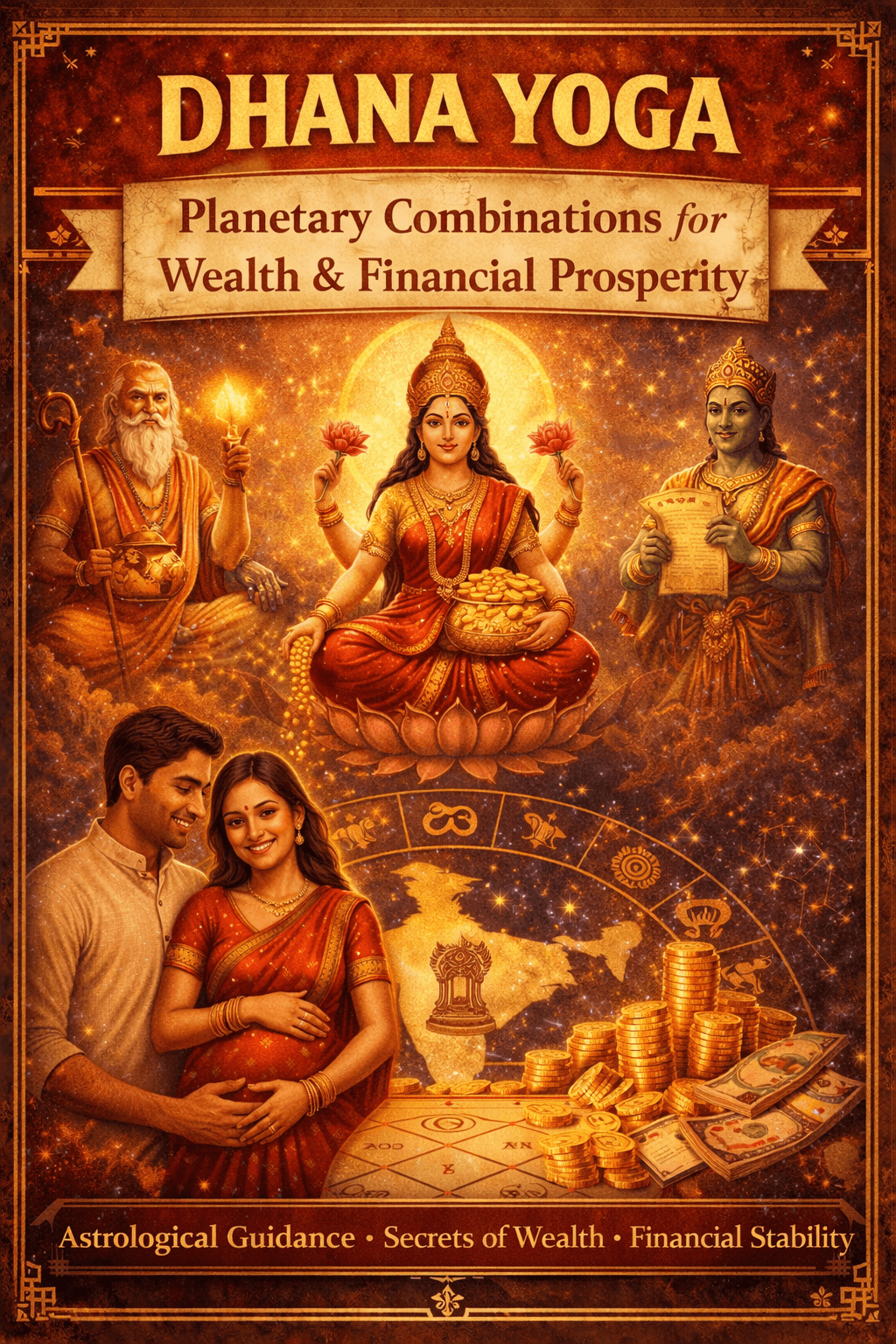
As we enter mid-July 2026, the spiritual energy shifts inward. While the world watches Saturn’s slow march into Bharani Nakshatra and Venus stumbles through its debilitation in Virgo, the Vedic calendar quietly opens one of its most powerful hidden portals — the Ashadha Gupt Navratri. From July 15 to July 23, 2026, these nine nights do not carry the public fanfare of Sharadiya Navratri or the winter warmth of Magh Navratri. Instead, they invite the sincere seeker into gupt (secret) sadhana, where the Dus Mahavidya preside over transformation, protection, and deep inner alchemy. If you have ever felt that the louder festivals are for the crowd and the real work happens in silence, this is your window.
Ashadha Gupt Navratri 2026 Tithi Calendar and Ghatasthapana Muhurat
The Ashadha Gupt Navratri in 2026 begins on Wednesday, July 15, with the Shukla Pratipada tithi of Ashadha Maas, and concludes on Thursday, July 23, on Maha Navami. Because lunar tithi timings can vary by a few hours based on your city’s local sunrise, always verify the exact ghati and muhurta through a reliable Panchang. For most of North and Central India, Pratipada begins on the morning of July 15, making it the ideal day for Ghatasthapana.
Ghatasthapana should ideally be performed during the Abhijit Muhurta (approximately 11:48 AM to 12:36 PM) or during the Vijaya Muhurta (approximately 2:21 PM to 3:09 PM) on July 15. If you are observing Tantric protocols, the Nishita Kaal on the first night — roughly between 11:39 PM and 12:30 AM — is also highly auspicious for establishing the Kalash and invoking the Mahavidya.
| Date (2026) | Tithi | Paksha | Important Muhurat / Karma |
|---|---|---|---|
| 15 July | Pratipada | Shukla | Ghatasthapana, Kalash Sthapana (Abhijit Muhurta) |
| 16 July | Dwitiya | Shukla | Dwitiya Puja, Nishita Kaal |
| 17 July | Tritiya | Shukla | Sindoor Tritiya |
| 18 July | Chaturthi | Shukla | Bhuvaneshvari Puja |
| 19 July | Panchami | Shukla | Lalita Panchami, Chhinnamasta Puja |
| 20 July | Shashthi | Shukla | Tripura Bhairavi Puja |
| 21 July | Saptami | Shukla | Dhumavati Puja |
| 22 July | Ashtami | Shukla | Bagalamukhi Puja, Homam |
| 23 July | Navami | Shukla | Matangi Puja, Maha Navami Havan, Kanya Pujan |
Remember that Gupt Navratri is not bound by the same public utsava rules as Sharad Navratri. There are no community garba or loud processions. The muhurat is personal, and the primary requirement is antarmukhi (inward-facing) awareness. If you miss the morning Ghatasthapana, you can still perform a simpler ghata sthapana during the evening pradosh period, provided your intention is clear and unwavering.
Vedic and Tantric Significance of Gupt Navratri vs Sharad and Magh Navratri
In the Brihat Parashara Hora Shastra, the monsoon months are associated with the varsha ritu and the strengthening of Chandi shakti — the fierce, protective current of the Divine Mother. While Sharad Navratri celebrates the outward victory of Devi over Mahishasura and is marked by community fasting and Kanya Pujan, and Magh Navratri aligns with the agricultural renewal of Vasant, Ashadha Gupt Navratri is deliberately subdued. It is the time of gupt upasana, where the seeker works directly with the vidya (wisdom energies) rather than the leela (divine play).
From a Tantric perspective, the Mundamala Tantra and Todala Tantra both hint that the Dus Mahavidya are most accessible when the outward senses are dampened — literally and figuratively — by the monsoon clouds. The heavy, water-laden atmosphere of Ashadha is said to conduct subtle vibrations more efficiently, which is why mantra siddhi is believed to occur faster during this window. This is not folklore; if you have ever done intensive japa during a rainstorm, you know how the mind naturally drops into deeper concentration.
The distinction is simple: Sharad Navratri is for the grhastha (householder) seeking blessings; Magh Navratri is for the brahmachari and student seeking clarity; and Ashadha Gupt Navratri is for the sadhaka seeking siddhi and transformation. The practices here can range from mild stotra path to intense purashcharana, but the common thread is secrecy and internalization. The BPHS tradition emphasizes that Devi’s varsha energy is antaryamin — she dwells within — and therefore the sadhana must turn inward.
Day-Wise Dus Mahavidya Puja, Beej Mantra, and Naivedya for 2026
During Gupt Navratri, each of the nine nights is aligned with one of the principal Mahavidyas, culminating in the worship of the tenth, Maa Kamala, on the morning of Dashami. The table below gives the 2026 mapping, along with the traditional beej mantra and naivedya (bhog) for each form. Please note: these beej mantras are most effective when received through guru diksha. If you are not initiated, you may chant the namaskara mantras or the Dus Mahavidya Stotram instead.
| Day | Date (2026) | Mahavidya | Beej Mantra | Naivedya |
|---|---|---|---|---|
| 1 | 15 July | Maa Kali | क्रीं | Khichdi, Kheer |
| 2 | 16 July | Maa Tara | स्त्रीं | Mishti, Paan |
| 3 | 17 July | Maa Shodashi | श्रीं | Sweet Rice, Coconut |
| 4 | 18 July | Maa Bhuvaneshvari | ह्रीं | White Sweets, Milk |
| 5 | 19 July | Maa Chhinnamasta | ह्रीं ऐं वीं | Red Fruits, Hibiscus |
| 6 | 20 July | Maa Tripura Bhairavi | हसैं हसकं | Spicy Khichdi, Lemon |
| 7 | 21 July | Maa Dhumavati | धूं | Urad Dal, Bitter Gourd |
| 8 | 22 July | Maa Bagalamukhi | ह्लीं | Yellow Sweets, Besan |
| 9 | 23 July | Maa Matangi | ह्रीं ऐं | Jackfruit, Ucchista Bhog |
On Day 1, Maa Kali represents the destruction of ego. Her beej Kreem (क्रीं) cuts through avidya. The naivedya of khichdi and kheer is simple but grounding. On Day 2, Maa Tara governs compassion and protection, and her Strim (स्त्रीं) beej draws the energy of Akshobhya. Day 3 belongs to Maa Shodashi (Tripura Sundari), the beauty of the three worlds; her Shreem (श्रीं) beej is auspicious for wealth and harmony.
Day 4 is for Maa Bhuvaneshvari, the sovereign of the universe, whose Hreem (ह्रीं) beej expands one’s inner space. Day 5 brings Maa Chhinnamasta, the self-beheaded goddess of radical detachment — her Hreem Aim Veem (ह्रीं ऐं वीं) is potent but should only be chanted in a stable frame of mind. Day 6 is Maa Tripura Bhairavi, the fiery one, whose Hasaim Haskam (हसैं हसकं) beej burns impurities. Day 7 is Maa Dhumavati, the widow form who represents the void and deep wisdom; her Dhoom (धूं) beej is chanted for relief from sorrow. Day 8 is Maa Bagalamukhi, the stambini who paralyzes enemies and negative speech — her Hleem (ह्लीं) is famous for court cases and disputes. Finally, Day 9 is Maa Matangi, the tantric form of Saraswati and the goddess of leftover wisdom (ucchista); her Hreem Aim (ह्रीं ऐं) beej is excellent for artists and speakers. The following morning, July 24, is reserved for Maa Kamala, the tenth Mahavidya, who blesses with material and spiritual abundance.
It is worth noting that the naivedya is not arbitrary. Kali’s khichdi represents the basic sustenance required after ego-death. Tara’s paan and mishti reflect the cooling of emotional wounds. Shodashi’s sweet rice and coconut embody the fullness of the manifested universe. Each offering encodes a specific frequency that resonates with the Mahavidya’s domain. When you prepare these with your own hands and offer them with the beej mantra, the prasad becomes prasadam in the truest sense — a mercy that transforms the eater at the cellular level.
Kalash Sthapana, Vrat Niyam, and Common Ritual Mistakes to Avoid This Year
Kalash Sthapana on July 15 should follow these steps precisely. First, clean your puja room and bathe before sunrise. Place a chaurang (wooden platform) facing east or north, and spread a clean red or yellow cloth. Fill a copper or earthen kalash with Ganga jal or clean water, add supari, durva grass, akshata (rice with turmeric), and a few coins. Arrange five mango leaves around the rim and place a coconut wrapped in red cloth on top. This represents the invocation of the Sapta-Matrikas and the cosmic womb.
- Clean the sthana with Ganga jal and spread a fresh cloth.
- Place the kalash on a mound of raw rice or wheat.
- Invoke Lord Ganesh first, then the Matrikas, followed by the Ghatastotra.
- Light an akhand deep with cow ghee; ensure it remains lit or is rekindled mindfully each day.
- Perform avahana of the day’s Mahavidya using the beej mantra and offer naivedya.
For vrat niyam, observe brahmacharya (celibacy), speak only when necessary, and avoid tamasic food. Many sadhakas observe nirjala fasting on the first and last day, while taking only phalaahara (fruits, milk, and rock salt) on the remaining days. The most critical rule is guptata — do not discuss your vrat, your dreams, or your experiences with anyone. This is not superstition; it is the energetic protection of your sadhana.
💡 Quick Tip: Gupt Navratri derives its power from silence. Avoid posting your sankalpa, mantra count, or spiritual experiences on social media. The BPHS tradition emphasizes that gupt upasana multiplies its fruit when kept away from public gaze.
Common mistakes include using iron utensils (strictly avoid for puja or homa), skipping the evening dhyana because of work, treating the beej mantras casually without pronunciation guidance, and perhaps the biggest error of all — turning this inward retreat into a social media performance. If you feel the urge to post your altar, pause. The fruit of Gupt Navratri is directly proportional to its secrecy.
Rahu-Ketu Shanti Remedies and Daan Recommended During This Secret Navratri Window
July 2026 carries a unique karmic weight. With Shani Dev entering Bharani Nakshatra and the nodes casting their shadow across multiple signs, Rahu-Ketu Shanti becomes especially relevant during this Gupt Navratri. Ashadha month is governed by the varsha water element, which amplifies the volatile nature of Rahu (illusion) and Ketu (detachment). If your natal chart shows afflictions in the Rahu-Ketu axis, this nine-day window is ideal for targeted remedy.
Those with Rahu in the 1st, 5th, 8th, or 12th house should pay special attention during this Gupt Navratri. The conjunction of Saturn’s entry into Bharani — a nakshatra ruled by Yama, the lord of death and discipline — with the monsoon energies creates a powerful corridor for burning karmic seeds. Do not be surprised if old fears, dreams, or unfinished business surface during these nine days. This is shuddhi (purification), not punishment. Acknowledge it, offer it to the Mahavidya, and continue your japa.
Chant the Rahu beej mantra ॐ भ्रां भ्रीं भ्रौं सः राहवे नमः (Om Bhram Bhrim Bhrom Sah Rahave Namah) during the Nishita Kaal or Saturday evenings. For Ketu, use ॐ स्रां स्रीं स्रौं सः केतवे नमः (Om Sram Srim Srom Sah Ketave Namah) on Tuesday or Thursday mornings. If you are doing a full Rahu-Ketu Shanti, perform a homa with black sesame and durva on Navami. Daan items include black blankets, mustard oil, urad dal, and blue or black clothing for Rahu; and multi-colored blankets, sweet roti, and durva for Ketu.
Because Venus is debilitated in Virgo during this period, relationships and emotional stability may feel strained. Combining your Mahavidya sadhana with Rahu-Ketu Shanti creates a protective energetic shield, preventing external turbulence from destabilizing your inner practice. Offer water mixed with black sesame to a peepal tree on Saturday evenings, and light a mustard oil lamp under a banyan tree on Tuesday evenings during these nine days.
Ashadha Gupt Navratri 2026 Remedies — Mantra, Ratna, and Lifestyle
Beyond the daily puja, here are specific, actionable Vedic remedies to maximize the Ashadha Gupt Navratri window in 2026:
Mantra Sadhana: If you cannot commit to all ten Mahavidyas, choose one form based on your natal Moon or rising sign and do a fixed number of malas daily. A minimum of ekadash mala (11 rounds of 108 beads) is traditional. The general Dus Mahavidya dhyana mantra is:
“Mahakali Mahatre Cha Mahamoha Vidhayini; Mahadevi Mahasuri Jagaddhatri Cha Sobhane.”
Additionally, the Chamunda mantra — ॐ ऐं ह्रीं क्लीं चामुण्डायै विच्चे — can be chanted for overall protection. For those under the influence of Sade Sati or Dhaiya, the Shani Mahavidya mantra — ॐ प्रां प्रीं प्रौं सः शनैश्चराय नमः — can be chanted on Saturday within this Navratri.
Gemstones (Ratna): Gupt Navratri is actually an ideal time to purify and energize gemstones rather than wear them arbitrarily. Place your Gomed (for Rahu) or Cat’s Eye (for Ketu) in the Kalash for nine days, chanting the respective beej mantra. After Navami, you can wear them. For general sadhana, a 9 Mukhi Rudraksha (representing Navadurga/Mahavidya) or an 11 Mukhi Rudraksha (representing the 11 Rudras and indirect Mahavidya protection) can be worn on a red or black thread after proper abhisheka.
Charity (Daan) and Fasting: The most potent daan during Ashadha Gupt Navratri is anna daan. Given the monsoon context, donating umbrellas, raincoats, and sturdy footwear to the underprivileged carries special merit. On Ashtami or Navami, perform Kanya Pujan by feeding nine young girls and one boy (or simply nine girls) with halwa-puri or khichdi-kheer. Donate red chunaris, coconut, and shringar items to a Devi temple. Fasting should align with your health; if nirjala is not possible, take only sattvic fruits, milk, and saindhav (rock salt).
Lifestyle Changes: Maintain maithun varjana (celibacy), rise during Brahma Muhurta, and reduce screen time after sunset. Avoid gossip, litigation discussions, and consumption of tamasic media. Treat these nine days as a retreat within your own home. As Guru Udayana approaches in August, the purification you do now prepares the ground for Jupiter’s blessings.
💡 Quick Tip: If you are doing Tantric Mahavidya sadhana, the Nishita Kaal (midnight to 3:00 AM) is considered the most potent period during Gupt Navratri. Even if you cannot stay awake all night, waking up for one prahar (1.5 hours) around 12:30 AM can deepen your practice immensely.
Frequently Asked Questions About Ashadha Gupt Navratri 2026
What are the exact dates for Ashadha Gupt Navratri 2026?
Ashadha Gupt Navratri 2026 begins on July 15 (Pratipada) and ends on July 23 (Navami). Ghatasthapana should be done on the morning of July 15 during Abhijit or Vijaya Muhurta.
Which goddess is worshipped in Gupt Navratri?
Unlike the exoteric forms of Durga worshipped in Sharad Navratri, Gupt Navratri is dedicated to the Dus Mahavidya — the ten wisdom goddesses of the Shakta Tantra tradition. Each of the nine nights honors one Mahavidya, with the tenth worshipped on the morning of Dashami.
Can I eat salt during Gupt Navratri vrat?
If you are observing a strict vrat, use only saindhav (rock salt) and avoid common iodized salt. Many sadhakas avoid grains entirely and take only phalaahara (fruits, milk, nuts). The key is consistency and sincerity, not extreme deprivation that harms your health.
Is Dus Mahavidya puja safe without guru diksha?
Stotra, dhyana, and simple namaskara mantras are generally safe. However, the ugra (fierce) beej mantras of Chhinnamasta, Bhairavi, and Dhumavati should ideally be practiced under guidance. If you lack diksha, focus on the saumya forms like Kamala, Shodashi, and Bhuvaneshvari, or chant the Dus Mahavidya Stotram.
आषाढ़ गुप्त नवरात्रि में क्या खाना चाहिए?
Phalaahara (fruits), dugdha (milk), shakkar (mishri), and saindhav are recommended. Avoid onion, garlic, mushrooms, and outside food. Some observe nirjala fasting on the first and last day. The diet should be sattvic and simple to keep the mind clear for sadhana.
What is the best time for Ghatasthapana in Gupt Navratri 2026?
The best time is the Abhijit Muhurta on July 15, roughly between 11:48 AM and 12:36 PM for most Indian cities. If you miss it, the Vijaya Muhurta or evening Pradosh period are acceptable alternatives.
How is Gupt Navratri different from Sharad Navratri?
Sharad Navratri is public, community-oriented, and celebrates Devi’s warrior aspect. Gupt Navratri is secret, inward, and Tantric, focused on the Dus Mahavidya and personal mantra siddhi rather than social celebration.
🔮 Plan Your Gupt Navratri with Precision
Check the exact tithi, nakshatra, and muhurat for your city with RashiByte’s daily Panchang. Align your Dus Mahavidya sadhana with the correct ghati and nishita kaal.
View Today’s Panchang →Or ask our AI astrologer for personalized Gupt Navratri guidance.
Ashadha Gupt Navratri is not a festival for the crowd; it is a conversation between you and the Mahavidya. In July 2026, as the monsoon clouds gather and the outer world slows down, use these nine nights to turn inward with discipline and devotion. Whether you chant one beej mantra with full attention or perform an elaborate Kalash Sthapana, what matters most is the guptata — the sacred secrecy that protects your spiritual seed until it sprouts. Begin with humility, stay consistent, and let the Dus Mahavidya guide you through the inner rain.
— Written by RashibyteAI
No comments yet. Be the first to share your thoughts!