As July 2026 unfolds, the lunar calendar presents a series of delicate panchang windows that every purohit and jyotishi watches with extra care. With Jupiter still fresh in Leo after its June transit, and the July 29 solar eclipse approaching, this month is already charged with transformative energy. But beneath these grand transits lies a subtler, equally important timing rule — the Bhadra Karan (भद्रा करण), also known as Vishti Karana. If you are planning a griha pravesh, vehicle purchase, marriage muhurta, or even an important business contract this month, knowing exactly when Bhadra occurs is not optional; it is essential. One slip into this inauspicious karana can nullify an otherwise perfect choghadiya or tithi.
July 2026 Bhadra Karan: Exact Dates and Panchang Timings
In Vedic chronometry, a karana is half of a tithi, and there are eleven karanas that cycle continuously through the lunar month. Among them, Vishti — popularly called Bhadra — is the one that makes pandits reach for their panchang with a worried frown. In July 2026, we encounter five distinct Bhadra Karan intervals, each capable of turning a shubh muhurta into a fruitless exercise. The table below lists these periods calculated for Delhi IST (Indian Standard Time). If you live in Kolkata, add roughly 24 minutes; for Mumbai, subtract approximately 28 minutes from the start and end times.
| Date | Day | Paksha | Tithi | Bhadra Starts (IST) | Bhadra Ends (IST) | Duration |
|---|---|---|---|---|---|---|
| July 2, 2026 | Thursday | Krishna | Chaturthi | 07:14 AM | 05:42 PM | 10h 28m |
| July 10, 2026 | Friday | Shukla | Trayodashi | 11:33 AM | 09:15 PM | 9h 42m |
| July 17, 2026 | Friday | Krishna | Saptami | 06:45 AM | 04:22 PM | 9h 37m |
| July 25, 2026 | Saturday | Shukla | Saptami | 10:18 AM | 07:55 PM | 9h 37m |
| July 31, 2026 | Friday | Krishna | Chaturdashi | 05:30 AM | 03:12 PM | 9h 42m |
Please note that these timings are based on Drik Siddhanta calculations. Because Bhadra is tied to the rotation of the tithi, its exact length varies between roughly nine and eleven hours. The July 2nd Bhadra, falling in Krishna Paksha, is particularly inauspicious for property-related decisions because the waning moon already carries a diminishing energy. The July 10th Shukla Paksha Bhadra, despite being in the waxing phase, is dangerous because it creates a false sense of security — the tithi looks good, but the karana ruins it. The July 17th interval is a daytime Bhadra that affects office inaugurations, while July 25th and 31st cover weekend hours when many schedule social events. Do not confuse Bhadra Karan with Bhadra Tithi or Bhadra Mukha; while related in spirit, the karana-level Bhadra is the specific half-tithi period we are discussing here.
💡 Quick Tip: Bhadra Karan timings shift by a few minutes based on your city's longitude. Always verify with your local RashiByte Panchang rather than relying solely on Delhi IST calculations.
What is Bhadra Karan? Understanding Vishti Karana in Panchang
To understand why Bhadra Karan commands such respect, we need to look at the classical texts. The Brihat Parashara Hora Shastra (BPHS) and Phaladeepika both enumerate the karanas, and Jataka Parijata explicitly warns against commencing shubha karmas during Vishti. In the hierarchy of panchang elements — tithi, vara, nakshatra, yoga, and karana — the karana carries roughly one-fifth of the muhurta's weight. Yet when that one-fifth is poisoned, the entire auspicious foundation weakens.
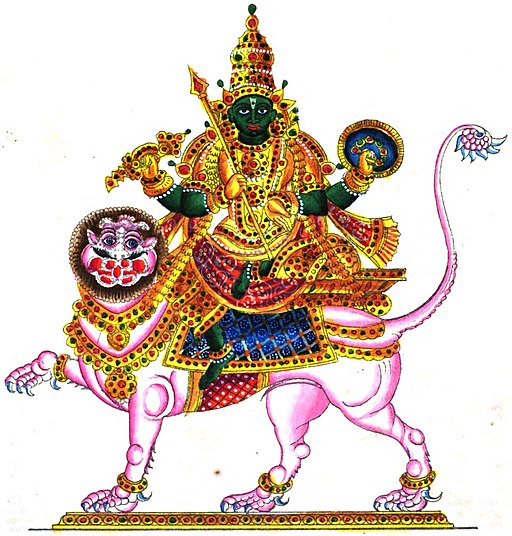
Bhadra is the seventh karana in the cycle of eleven. It is ruled by the deity Bhadra, associated with obstacles and delays. Unlike Rahu Kaala, which is a daily period, or Choghadiya, which changes by day and night, Bhadra Karan appears unpredictably across the month, making it easy to miss if you are only checking the tithi and nakshatra. Think of tithi as the soil, nakshatra as the seed, and karana as the first sip of water given to that seed. If the water is bitter, the crop suffers regardless of how fertile the soil is.
There are eleven karanas in total: Bava, Balava, Kaulava, Taitila, Gara, Vanija, Vishti (Bhadra), Shakuni, Chatushpada, Naga, and Kimstughna. The first seven are called chara (movable) karanas, and the remaining four are sthira (fixed). Vishti or Bhadra is the last of the chara karanas, and it carries a vish (poisonous) quality that disrupts shubhaphala. In the Taittiriya Samhita and later jyotish commentaries, the karanas are considered the limbs of the lunar day. Just as a body cannot function if one limb is broken, a muhurta cannot succeed if the karana is afflicted. Bhadra specifically is said to carry the energy of alakshmi (misfortune) for beginnings. It is not that the time itself is evil; rather, it is a period where the cosmic forces are aligned toward dissolution and closure, not germination and growth. Starting a seed in autumn soil might give a sprout, but it will struggle. Bhadra is the autumn of the daily panchang cycle.
Shubh Kaam Tyag: Nishedh Kaam During Bhadra Karan
The term nishedh means prohibition, and during Bhadra Karan, the list of activities to avoid is extensive. The classical rule is simple: any shubha karma (auspicious action) that aims to bring lasting growth, union, or stability should be postponed. Bhadra creates vighna (obstacles) and can turn even a well-intentioned beginning into a struggle. This is one of those placements that makes people nervous on Reddit threads, and rightfully so — I have seen too many charts where a Bhadra-start correlated with delayed projects or broken partnerships.
Here are the key activities to strictly avoid during the July 2026 Bhadra intervals:
- Vivah (Marriage): Marriage is a union of two souls and two families. Starting this sacred bond during Bhadra invites misunderstandings and delays in conjugal harmony.
- Griha Pravesh: Entering a new home during Bhadra can disturb the vastu energy and lead to restlessness or disputes among family members.
- Vehicle Purchase: Buying a car or any vehicle during Bhadra increases the risk of accidents or mechanical troubles.
- Business Launch: Opening a new shop, signing a major contract, or starting a new job during Bhadra often leads to stalled growth or partnership issues.
- Travel (Especially Eastward): Classical texts caution against travel during Bhadra, particularly in the eastern direction, as it may lead to discomfort or obstacles.
- Upanayana & Mundan: Sacred thread ceremonies and first haircuts for children should be rescheduled to avoid mental agitation and lack of focus in the child.
- Wearing New Clothes/Jewelry: Using new garments or ornaments for the first time during Bhadra is said to reduce their auspicious impact and longevity.
It is important to remember that Bhadra does not make an existing activity sinful; it simply strips away the shubhaphala (auspicious fruit) of a new beginning. If you are already in the middle of something — say, you are already married or already living in the house — routine life continues unaffected. The restriction applies to the shubh arambha (auspicious commencement). One area of confusion I often see is regarding educational admissions. While Upanayana is strictly prohibited, joining a new course or taking an entrance exam during Bhadra is generally considered less problematic because it is not a samskara (sacrament). However, even here, if the exam result leads to a long-term binding contract or gurukula-style commitment, it is wiser to wait.
Bhadra Karan Nivaran: Remedies, Mantras, and Shuddhi
If you discover that an unavoidable task falls within a Bhadra Karan window, do not panic. Vedic astrology is never about fear; it is about awareness and correction. The shastras provide a clear path for nivaran (remedial neutralization) and shuddhi (purification) that can help you minimize the negative impact.
First and foremost, invoke Vighnaharta Lord Ganesha. Before commencing any unavoidable work during Bhadra, perform a simple Ganesh Puja. Light a diya with ghee, offer durva grass and modaka, and chant the following mantra at least 108 times: "ॐ गं गणपतये नमः" (Om Gam Ganapataye Namah). This mantra is specifically potent for removing vighna, which is the primary energy of Bhadra.
Next, chant the Vishnu Sahasranama. The Phaladeepika suggests that listening to or reciting the thousand names of Lord Vishnu during inauspicious windows creates a protective sheath around the karma. If you cannot do the full Sahasranama, Lalita Sahasranama, at least chant: "ॐ नमो भगवते वासुदेवाय" (Om Namo Bhagavate Vasudevaya) 108 times.
For charity (daana), donate white items on the next Monday after the Bhadra period. White rice, sugar, milk, or white clothes given to a deserving brahmin or a temple cancels the subtle dosha. The quantity should be modest but given with shraddha (faith). Fasting on Monday (Somvar Vrat) and worshipping Shiva-Parvati is another excellent shuddhi measure.
From a ratna (gemstone) perspective, strengthening the lunar energy helps counter Bhadra's instability. Wearing a pearl (moti) set in silver on the little finger after proper purification can soothe the mind. Alternatively, keeping a small Ganesha idol in copper or silver at your workplace acts as a protective talisman against vighna. The shuddhi process itself can be elaborate or simple depending on the gravity of the task. For a minor slip, like accidentally purchasing a new gadget during Bhadra, simply keeping it unopened until the next shubh muhurta and then doing a small Ganesh puja before first use is sufficient. For major events like a marriage that was forced into Bhadra due to family pressure, a more elaborate shanti homa with a qualified purohit is advisable. The homa should include ahuti of white sesame and ghee to Chandra and Ganapati.
If the Bhadra period is about to end and you can delay your task by even 48 minutes (one muhurta), do so. Panchang scholars often say, "Bhadra gate shubham" — after Bhadra passes, auspiciousness returns immediately. There is no lingering shadow; the moment the next karana begins, the restriction lifts. Lifestyle changes include waking during brahma muhurta on days following Bhadra to reset your internal clock with sattvic energy, and avoiding tamasic food such as heavy meat or excessive onion-garlic during the Bhadra window itself.
💡 Quick Tip: If Bhadra Karan overlaps with Abhijit Muhurta, the restriction still applies. Abhijit can uplift a middling tithi, but it cannot override the karana dosha of Bhadra for shubh kaam.
When Bhadra Overlaps: Emergency Rules and Re-scheduling
Sometimes, despite your best planning, an emergency arises. Perhaps a medical procedure cannot wait, or a legal deadline forces a property registration during Bhadra. In such cases, the shastras allow for an emergency protocol. The key is to separate the preparation from the formal commencement.
For example, if you must sign property papers during Bhadra, you can symbolically "start" the process before Bhadra begins by placing a small token payment or writing the first letter of the agreement. This is called shubh sankalpa arambha — beginning the auspicious intention before the dosha window. The actual registration, done out of necessity during Bhadra, then becomes a continuation rather than a commencement.
For travel, if you must leave during Bhadra, offer pranama to your kuladevtas and break a coconut at a crossroads after returning. For medical procedures, which are essentially acts of healing and not shubh kaam in the traditional sense, the restriction is softer, though it is still wise to chant the Mahamrityunjaya Mantra: "ॐ त्र्यम्बकं यजामहे सुगन्धिं पुष्टिवर्धनम्" before entering the hospital.
July 2026 Timing Strategy: Bhadra Amidst Gandanta and Eclipse
July 2026 is not a month where you want to stack multiple doshas. We already have Jupiter Gandanta creating kshetra-sandhi confusion, and Mrityu Panchak adding its own layer of caution. Layering Bhadra Karan on top of these is like adding a third knot to an already tangled thread. This is why I always advise clients to check the RashiByte Panchang, which flags all three — tithi dosha, nakshatra dosha, and karana dosha — in one glance.
The beauty of jyotish is that it gives us the knowledge to wait. July 2026 has plenty of excellent muhurtas between these Bhadra windows. A day that has a good tithi, a supportive nakshatra like Mrigashira or Anuradha, and a karana like Bava or Kaulava will give you infinitely better results than rushing through a Bhadra period out of impatience. As we move deeper into 2026, the second half of the year asks us to be more vigilant with our panchang. When you combine the eclipse energies with the Bhadra Karan windows earlier in the month, you realize that July is a month for patience. If your plans can wait until early August, when more supportive yogas begin to form, you will find far more supportive energies.
🔮 Check Your Muhurta with RashiByte
Don't let Bhadra Karan catch you by surprise. Use the RashiByte Panchang to verify exact karana timings, tithi, nakshatra, and yoga for your city before planning any shubh kaam in July 2026.
Open RashiByte Panchang →Or ask our AI astrologer for personalized muhurta guidance.
Bhadra Karan is one of those panchang details that separates a casual astrology follower from a mindful practitioner. In July 2026, with its five Bhadra intervals, taking an extra five minutes to verify the karana can save you months of corrective effort. Remember, jyotish is not about fear; it is about timing your actions to flow with the cosmic current. Avoid the nishedh kaam, perform the nivaran with faith, and choose your muhurta wisely. The stars will do the rest.
— Written by RashibyteAI


No comments yet. Be the first to share your thoughts!