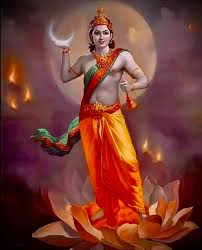
As September 2026 approaches and the monsoon humidity finally breaks into the crisp Sharad Ritu (autumn season), families across India are reaching for their panchangs to plan everything from mundan ceremonies to griha pravesh. This month carries an extra layer of astrological weight because the Moon's transit through the three Gandamool nakshatras — Ashwini, Magha, and Moola — overlaps directly with the preparatory window for Pitru Paksha. If you are expecting a child, scheduling an auspicious muhurat, or simply trying to understand why your local panditji has circled certain dates in red, this guide to Ganda Mool September 2026 will give you the exact timings, rules, and shantiponents you need without any unnecessary fear.
Ganda Mool September 2026: Exact Dates and Nakshatra Timings
In Vedic muhurat science, a Ganda Mool (or Gandamool) period occurs when Chandra (the Moon) passes through the nakshatras of Ashwini, Magha, and Moola. While the entire transit is noted in the panchang, the most sensitive window is the first charana (pada) of each — a zone known as Gandanta, the knot between a water sign and a fire sign. For September 2026, the Moon will sweep through each of these constellations, and the following table gives the precise Indian Standard Time (IST) windows.
| Date (IST) | Nakshatra | Chandra Enters | Chandra Exits | Gandanta Period (1st Charana) |
|---|---|---|---|---|
| Sept 5 – 6 | Ashwini (मेष राशि) | Sept 5, 09:18 PM | Sept 6, 10:52 PM | Sept 5, 09:18 PM – Sept 6, 03:45 AM |
| Sept 13 – 14 | Magha (सिंह राशि) | Sept 13, 03:35 PM | Sept 14, 04:48 PM | Sept 13, 03:35 PM – Sept 13, 10:12 PM |
| Sept 20 – 21 | Moola (धनु राशि) | Sept 20, 08:05 AM | Sept 21, 09:38 AM | Sept 20, 08:05 AM – Sept 20, 02:40 PM |
Please note that while Chandra remains in each nakshatra for roughly twenty-four hours, the Gandanta danger zone is concentrated in the first pada — approximately six to seven hours. If you are planning a mundan muhurat in September or a griha pravesh around the same time, these windows should be strictly avoided. The rest of the transit still carries a mild visham (mixed) energy, but the dosha is strongest during the initial charana.
It is worth repeating that the dosha is not attached to the entire twenty-four-hour transit, but intensifies during the Gandanta phase. If you look at a traditional panchang, you will often see these hours marked in red or flagged with a warning symbol. Urban families sometimes dismiss this as superstition, but the jyotish shastra treats it as a simple matter of energetic hygiene — much like avoiding surgery during a lunar eclipse, not because the sky is falling, but because the subtle environment is unstable for new beginnings.
Ashwini, Magha, and Moola: Why These Three Nakshatras Become Gandamul
To understand why these particular stars cause such a stir, we need to look at the concept of Gandanta — literally, the "knot at the end." In Brihat Parashara Hora Shastra, the junctions between the water signs (Meena, Karkata, Vrishchika) and the fire signs (Mesha, Simha, Dhanu) are described as delicate thresholds where prana (life force) gets temporarily tangled. The first pada of Ashwini sits right after Revati (the Meena-Mesha junction), Magha follows Ashlesha (the Karkata-Simha junction), and Moola follows Jyeshtha (the Vrishchika-Dhanu junction). It is at these exact borders that the soul's journey is said to hiccup — moving from the dissolution of water into the ignition of fire.
Each of these nakshatras carries a unique flavour that colours the Gandanta experience. Ashwini, ruled by the Ashwini Kumaras, is associated with healing, speed, and rejuvenation, but its Gandanta pada can bring sudden, disruptive beginnings that require immediate but careful attention. Magha, ruled by the Pitris (ancestors), connects us to lineage, legacy, and the throne; when the Moon passes through its first charana, ancestral karma can feel unusually heavy, as if the past is leaning in to whisper unfinished business. Moola, presided over by Nirriti — the goddess of decay and calamity — is the root of all roots; it digs deep into the past, and its Gandanta energy can unearth buried tensions, financial entanglements, or health concerns that have been hiding beneath the surface.
This is one of those placements that makes people nervous on Reddit threads, but in classical Jyotish, it is simply a signal to proceed with awareness rather than blind haste. Importantly, not every child born under these nakshatras faces a "cursed" life. The dosha is nuanced: it depends on the specific pada, the placement of Chandra in the natal chart, and the presence of benefic drishti (aspect) from Jupiter or Venus. As Phaladeepika reminds us, the overall strength of the grahas always modifies the result of a single nakshatra placement. A Gandamool Moon in the 10th house with a strong Saturn may produce a person who overcomes early obstacles to build lasting institutions, whereas the same Moon afflicted in the 8th house without benefic aspect may require more active remedial measures.
Ganda Mool September 2026: Shubh and Ashubh Karma Rules
When the Moon occupies a Gandamul nakshatra, certain karmas (actions) are considered shubh (auspicious) and others ashubh (inauspicious). The general rule is simple: do not initiate anything new that you hope will grow and flourish. The Gandanta knot is a poor foundation for beginnings because the energy is tied up in transition rather than expansion.
Here is what you should postpone during the exact Gandanta windows:
- Griha Pravesh — entering a new home
- Vehicle purchase or Vahana acquisition
- Mundan (Chaul Karma) and Annaprasana
- Marriage muhurat or engagement ceremonies
- Starting a new business, signing major contracts, or laying a foundation stone
On the other hand, activities that focus on closure, purification, and ancestral connection are generally acceptable — and in some cases, favoured. Since Ketu's transit through Magha earlier this year already stirred the pot of ancestral karma, using the September Gandamool window for tarpan, charity, and meditation can actually be productive. Daily worship, reading of sacred texts, and completing pending paperwork are also fine. Think of these hours as a cosmic "yellow light" — slow down, but do not stop entirely.
Another practical consideration is the lagna (ascendant) at the time of the event. Even if the Moon is in a Gandamool nakshatra, a strong lagna lord or a well-placed kuja (Mars) can partially salvage a muhurat. However, for the average person who is not calculating shadabala (six-fold strength) on a Tuesday afternoon, the safest route is to postpone. As the old panchang saying goes: "Shubh muhurat mein delay is better than ashubh muhurat mein haste."
💡 Quick Tip: If you must travel or conduct unavoidable business during a Gandamool window, recite the Mahamrityunjaya Mantra eleven times before stepping out. It does not cancel the dosha, but it places your action under divine protection.
Chandra Transit, Gandamool Dosha, and Pitru Paksha Connection
September 2026 is unique because Pitru Paksha — the fortnight dedicated to ancestor worship — begins around September 17 (on or around Bhadrapada Purnima). The third Gandamool transit of the month, Moola, falls squarely inside this sacred period on September 20–21. This is highly significant because Moola itself is a nakshatra of roots and origin, while Pitru Paksha is about honouring the roots of our lineage. When these two overlap, the astrological atmosphere becomes thick with ancestral memory.
From an astrological perspective, the Moon represents the manas (mind) and the mother. When Chandra transits Moola during Pitru Paksha, the veil between the material and ancestral worlds feels thinner. Families performing shraddha should take extra care to complete the rituals with full attention, as the Gandanta energy can amplify unresolved ancestral rin (karmic debt). You might notice dreams of deceased relatives, a sudden urge to visit your native village, or an unexplained heaviness in the home. This is not a cause for panic, but for precision: offer the tarpan with sincere intention, feed Brahmanas or the needy, and avoid arguments or harsh speech in the home.
The connection between Chandra and the Pitris is also highlighted in Jataka Parijata, where the Moon's placement in nakshatras ruled by ancestral deities is said to unlock memories of past lives and family patterns. If you have been planning a major daan or puja for your ancestors, the days surrounding the Moola transit can be powerful — provided the rituals are done correctly and with shuddhi (purity). It is also an excellent time to organize old family photographs, repair ancestral property, or simply sit with your parents and listen to stories about your grandparents. These acts of conscious remembrance are themselves a form of shanti.
Gandamool Shanti Puja Vidhi, Mantra, and Daan Remedies
If you are an expectant family or if a child is born during one of the Gandanta windows listed above, the classical remedy is Gandamool Shanti. This is ideally performed on the 27th day after birth — the day the Moon returns to the same nakshatra — but a simplified version can also be done immediately if health or circumstances demand it. The 27-day cycle is not arbitrary; it represents one complete lunar cycle through the nakshatra belt, giving the child's prana enough time to stabilize before the knot is ritually untied.
Simple Puja Vidhi:
- Punyahavachan and Navagraha Puja: Begin by purifying the home and invoking the nine planets. Light a diya with sesame oil and recite the Navagraha Stotram. Sprinkle ganga jal in every corner of the room where the puja is performed.
- Nakshatra Shanti Homa: A small havan using ghee, barley, and the bark of the palash tree (for Moola), bael (for Magha), or khadira (for Ashwini) should be performed. If a full havan is not possible, offer 27 ahutis of ghee while chanting the specific nakshatra mantra.
- Mantra Japa:
- For Ashwini: ॐ अश्विनीकुमाराभ्यां नमः (Om Ashwinikumarabhyam Namah) — 108 times.
- For Magha: ॐ पितृदेवतायै नमः (Om Pitrdevatayai Namah) — 108 times.
- For Moola: ॐ निरृतये नमः (Om Nirritaye Namah) — 108 times.
- Brahmin Bhojan and Daan: Feed at least one Brahmin or a young girl (kanya). Donate yellow cloth, wheat, ghee, and a small sum of money in a copper vessel. On Moola day, donating black sesame (til) and blankets to the poor is especially effective.
- Anna Daan: If the full ritual is overwhelming, simply arrange for food donation (anna daan) on the day of the Gandamool transit. This is considered mahadaan and pleases the ruling deities of all three nakshatras.
For families who cannot arrange a priest, the father can perform a simplified version: wake up early, take a bath, wear clean clothes, and recite the Mahamrityunjaya Mantra 108 times while facing north. Place a small amount of kusha grass or a gold coin under the baby's pillow on the night of the shanti. This temporary measure holds the energy steady until a full ritual can be conducted.
💡 Important Caveat: Do not let anxiety dominate the birth of your child. Thousands of successful, happy people are born during Gandamool windows. The shanti is a spiritual insurance policy, not a repair job for a broken destiny. Perform it with faith, not fear.
What Expectant Families Should Know About Gandamool Births
One of the most common questions we receive is: "If my delivery date falls on a ganda mool day, should I opt for a cesarean on an earlier date?" The answer from a classical Jyotish standpoint is a firm no. Forcing a birth for astrological convenience can disturb the child's natural prarabdha (destined karma). The birth chart is a map of what the soul has chosen; our job is to read it accurately and apply the necessary remedies, not to cheat the cosmic clock.
If your baby is born during the Gandanta period, simply note the exact time and pada. Have the janma kundali (birth chart) analyzed by a knowledgeable astrologer to see if benefic planets like Jupiter or Venus are aspecting the Moon. Often, a strong lagna lord or a well-placed Guru (Jupiter) completely neutralizes the Gandamool effect. In the meantime, keep a small piece of kusha grass or a gold coin in the cradle as a protective measure until the 27th-day shanti is completed.
Beyond the immediate post-birth rituals, parents should also pay attention to the child's nakshatra birthday every month. Offering a small puja or charity on each monthly return of the Moon to Ashwini, Magha, or Moola during the first year creates a protective rhythm around the child. Many families choose to donate fruit and cloth on these days, or simply light a lamp in the family temple. These small, consistent acts build a shield of satkarma (righteous action) that far outweighs any single moment of celestial tension.
🔮 Check Your Kundali for Gandamool Dosha
Not sure if your birth chart has Gandamoola Dosha? Generate your detailed Vedic birth chart on RashiByte and see exact nakshatra placements, charana details, and personalized remedy suggestions.
Get Your Free Kundali →Or ask our AI astrologer for personalized guidance on muhurat planning and shanti puja.
September 2026 asks us to slow down and tie our spiritual shoelaces before entering the intense fortnight of Pitru Paksha. The Ganda Mool transits are not punishments written in the stars; they are reminders that certain moments are better suited for prayer and patience than for launching new ships. Mark your calendars with the dates above, perform the shanti with sincerity if needed, and move through the month with the calm confidence that sanatana dharma always provides a remedy for what it predicts.
— Written by RashibyteAI
No comments yet. Be the first to share your thoughts!