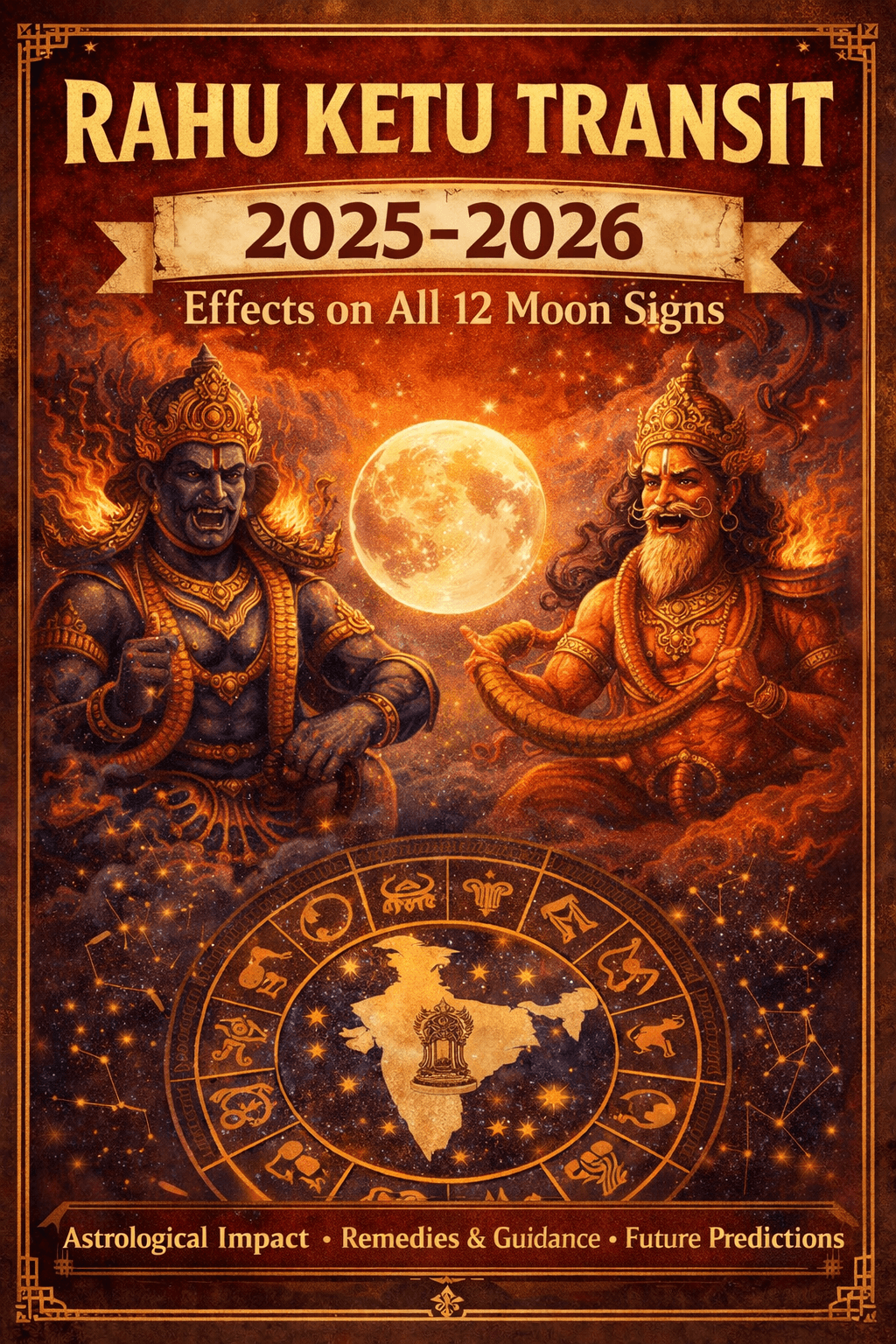
As we wrap up February 2026 and prepare for the vibrant festival of colors, this year's Holi brings a unique astrological consideration that every devotee should know. Holika Dahan on March 2nd falls during the sutak kaal (inauspicious period) of a total lunar eclipse occurring in the early hours of March 3rd. This rare convergence demands extra attention to muhurat selection and ritual modifications to harness the positive energies while avoiding the chandra grahan (lunar eclipse) effects.
In Vedic tradition, eclipses are powerful cosmic events that can amplify both auspicious and inauspicious influences. The ancient texts, particularly Brihat Parashara Hora Shastra (BPHS), emphasize that rituals performed during eclipse periods can yield unpredictable results. But don't worry—with proper guidance from Panchang calculations and time-tested remedies, you can still celebrate Holi 2026 with full spiritual benefits.
Exact Holi 2026 Dates & Panchang Details
Let's start with the fundamental details every household needs. Holi 2026 spans two days:
- Holika Dahan (Chhoti Holi): Monday, March 2, 2026
- Rangwali Holi (Badi Holi): Wednesday, March 4, 2026
The crucial ritual of Holika Dahan must be performed on Phalguna Purnima Tithi. According to the Drik Panchang for March 2, 2026:
| Panchang Element | Details (March 2, 2026) |
|---|---|
| Tithi | Phalguna Purnima (ends at 10:42 PM IST) |
| Nakshatra | Magha (until 6:15 PM), then Purva Phalguni |
| Yoga | Shiva Yoga (highly auspicious) |
| Karana | Vishti (first half), then Bava |
| Lunar Eclipse | Total Eclipse begins March 3 at 3:12 AM IST |
| Sutak Kaal Begins | March 2 at 6:12 PM IST (9 hours before eclipse) |
The sutak kaal (eclipse inauspicious period) begins precisely at 6:12 PM on March 2, creating a narrow window for Holika Dahan rituals. This is why selecting the right muhurat becomes critical—you need to complete the main fire ritual before this time.
Shubh Muhurat Calculation for Holika Dahan 2026
In classical Vedic astrology, determining the ideal muhurat involves analyzing three key factors: Tithi (lunar day), Nakshatra (constellation), and Lagna (ascendant). According to Jataka Parijata, fire ceremonies yield maximum benefits when performed during fixed Lagna signs and benefic Nakshatras.
For Holika Dahan 2026, the most auspicious timing is:
💡 Quick Tip: The Pradosh Kaal (evening twilight) during Purnima is traditionally considered best for Holika Dahan. In 2026, this coincides with the sutak period, so you must begin earlier.
| Muhurat Type | Timing (IST) | Auspiciousness |
|---|---|---|
| Ideal Muhurat | 5:30 PM - 6:00 PM | Excellent (before sutak) |
| Secondary Muhurat | 3:00 PM - 5:30 PM | Good |
| Avoid | After 6:12 PM | Sutak Kaal begins |
| Lagna | Mithuna (Gemini) / Karka (Cancer) | Benefic for fire ritual |
The Shiva Yoga present on this day is highly favorable, but its benefits are neutralized if rituals are performed during sutak. The Magha Nakshatra until 6:15 PM adds another layer of complexity—Magha is ruled by Pitris (ancestors), making it suitable for offerings, but the subsequent Purva Phalguni is ruled by Bhaga (prosperity), which gets afflicted by eclipse shadows.
If you miss the pre-sutak window, traditional texts suggest waiting until the eclipse ends on March 3rd at 6:23 AM and then performing a simplified Holika Dahan ritual during the day. However, this deviates from the Purnima Tithi requirement, so most Pandits recommend completing the main ritual before 6:12 PM.
Chandra Grahan Impact on Holi Rituals
Now, let's address the elephant in the room—how does the lunar eclipse affect your Holi celebrations? In Vedic cosmology, Rahu and Ketu (the lunar nodes) are the eclipse-causing entities. When they swallow the Moon, the cosmic energy becomes turbulent.
According to Phaladeepika, any daan (charity), jap (mantra chanting), or homa (fire ritual) performed during eclipse can have magnified effects—both good and bad. The key is knowing which activities to modify:
- Holika Dahan Fire Ritual: Should be completed before sutak begins at 6:12 PM. The fire itself purifies eclipse negativity.
- Color Playing (Rangwali Holi): On March 4th, no eclipse effects remain—celebrate freely!
- Prasad Distribution: Prepare and distribute before sutak, or wait until post-eclipse on March 3rd morning.
- Mantra Chanting: Gayatri Mantra and Mahamrityunjaya Mantra are actually MORE powerful during eclipse if chanted with proper guidance.
- Feasting: Avoid cooking or consuming heavy meals during sutak (6:12 PM to 6:23 AM). Fast or eat fruits.
The sutak kaal is particularly sensitive for pregnant women, elderly, and those undergoing Sade Sati or Rahu-Ketu transits. If you're in these categories, consider participating in the fire ritual but avoiding direct eclipse exposure.
💡 Quick Tip: Keep tulsi (holy basil) leaves in water during the eclipse period. This water can be sprinkled around the house post-eclipse for purification.
Zodiac-Wise Precautions & Remedies for Holi 2026
Your Moon sign determines how intensely the lunar eclipse affects you. Here's what each Rashi needs to know:
Mesha (Aries), Simha (Leo), Dhanu (Sagittarius) - Fire Signs
The eclipse occurs in your dharma trikona houses, affecting spiritual pursuits. Perform Surya Namaskar before Holika Dahan and chant Aditya Hridayam. Avoid red-colored gulal during the eclipse period.
Vrishabha (Taurus), Kanya (Virgo), Makara (Capricorn) - Earth Signs
Financial matters may feel unstable. Donate green moong dal and wheat on March 2nd morning. Wear an emerald (panna) if Mercury is well-placed in your chart. Check your Mercury combustion effects for additional guidance.
Mithuna (Gemini), Tula (Libra), Kumbha (Aquarius) - Air Signs
Relationships need extra care during this eclipse. Offer white flowers to Holika and chant Om Shukraya Namaha 108 times. If you're experiencing Sade Sati, avoid arguments during Holi celebrations.
Karka (Cancer), Vrishchika (Scorpio), Meena (Pisces) - Water Signs
The lunar eclipse directly impacts your emotional nature. Take a dip in sacred water before the ritual and offer milk to the Holika fire. Those undergoing Rahu-Ketu transit should wear a cat's eye (lehsunia) gemstone for protection.
| Moon Sign (Rashi) | Precaution Level | Key Remedy |
|---|---|---|
| Mesha, Karka, Tula, Makara | High (Eclipse in Kendra) | Chant Mahamrityunjaya 21 times |
| Vrishabha, Simha, Vrishchika, Kumbha | Medium (Eclipse in Trikona) | Donate white cloth and rice |
| Mithuna, Kanya, Dhanu, Meena | Low (Eclipse in Dusthana) | Fast during eclipse period |
Traditional vs Astrological Considerations: What to Follow?
This is where many families get confused—should we prioritize centuries-old tradition or astrological warnings? The answer lies in the Vedic principle of desha-kaala-patra (place-time-individual).
Traditional customs emphasize performing Holika Dahan after sunset during Pradosh Kaal. However, astrological considerations demand completion before sutak. Here's the balanced approach recommended by most Acharyas today:
- Perform the main fire ritual between 5:30-6:00 PM, even if it's slightly before traditional sunset timing. The agni (fire) purifies the premature timing.
- Keep the Holika pyre small and efficient, allowing quick completion without compromising the ritual's essence.
- Postpone Parikrama (circumambulation) and personal offerings until after the eclipse ends on March 3rd morning.
- Community celebrations can continue with colors on March 4th without any restrictions.
- Spiritual practices like jap and dhyan are actually enhanced during eclipse—use this time for introspection rather than external festivity.
Remember, the Puranas describe Holika Dahan as a victory of devotion over demonic forces. The eclipse represents temporary darkness, but your shraddha (faith) acts as the eternal flame. By adapting the timing slightly, you're not disrespecting tradition—you're honoring the deeper principle of shubh (auspiciousness) that tradition itself upholds.
Vedic Remedies for Holi 2026 Eclipse Period
Now for the practical solutions that transform this challenge into spiritual growth. These remedies are drawn from BPHS and centuries of Jyotish tradition:
Mantras for Protection & Amplification
During Holika Dahan (before 6:12 PM):
- Om Holikayai Namaha - 108 times while offering ghee to the fire
- Om Prahladaya Namaha - 21 times for divine protection
During Eclipse Period (6:12 PM March 2 - 6:23 AM March 3):
- Om Namo Bhagavate Vasudevaya - Continuous chanting
- Mahamrityunjaya Mantra: Om Tryambakam Yajamahe Sugandhim Pushtivardhanam Urvarukamiva Bandhanan Mrityor Mukshiya Mamritat - 21 or 108 times
Gemstone & Metal Remedies
- Silver: Wear silver ornaments or keep a silver coin in your kalash during the ritual. Silver pacifies the Moon's eclipse affliction.
- Pearl (Moti): If Moon is your Lagna lord or in a sensitive house, wear a natural pearl in silver on the little finger.
- Yellow Sapphire (Pukhraj): For those with Jupiter afflictions, this strengthens dharma and protects from eclipse negativity.
Charity (Daan) for Eclipse Neutralization
Perform these donations on March 2nd morning before 10 AM for maximum benefit:
- White items: Rice, sugar, milk, white clothes—to strengthen the Moon
- Red lentils: To appease Mars, who rules fire rituals
- Black sesame: For Rahu affliction
- Wheat: For Sun's blessing, as Holi is also a solar festival
Fasting & Lifestyle Adjustments
- Observe a partial fast on March 2nd—eat only satvik food before 3 PM
- During sutak (6:12 PM onwards), avoid sleeping, eating, or starting new activities
- Take a purifying bath after the eclipse ends on March 3rd morning
- Cleanse your house with ganga jal or salt water on March 3rd
🔮 Get Your Personalized Holi Muhurat
Every individual's chart interacts differently with eclipse energies. For personalized timing based on your birth details and Moon sign, use our advanced Panchang calculator.
Check Your Personal Muhurat →Or ask our AI astrologer how the lunar eclipse specifically affects your chart.
Frequently Asked Questions
What is the exact timing for Holika Dahan 2026?
The ideal window is 5:30 PM to 6:00 PM IST on March 2, 2026. This ensures completion before the lunar eclipse sutak begins at 6:12 PM. The Purnima Tithi remains until 10:42 PM, so the ritual remains valid even if performed slightly earlier than traditional sunset timing.
Can we do Holika Dahan during lunar eclipse sutak?
Avoid starting the fire ritual after 6:12 PM. However, if you began before sutak, you may allow the fire to continue burning. The key is the sankalpa (intention) and main offerings must be completed before the eclipse period. Post-eclipse, you can add final wood pieces but avoid new ritualistic actions.
Which zodiac signs need extra precautions during Holi 2026?
Mesha (Aries), Karka (Cancer), Tula (Libra), and Makara (Capricorn) need maximum precautions as the eclipse falls in their angular houses. They should chant protective mantras, wear silver, and avoid important decisions during the eclipse period. Those undergoing Sade Sati or Rahu-Ketu transit should be extra vigilant.
What mantras should be chanted during Holika Dahan 2026?
Before sutak (5:30-6:00 PM), chant Om Holikayai Namaha (108 times) and Om Prahladaya Namaha (21 times). During the eclipse period (6:12 PM onwards), switch to Om Namo Bhagavate Vasudevaya and the Mahamrityunjaya Mantra. These mantras create a protective shield and amplify spiritual benefits during the sensitive eclipse window.
Can pregnant women participate in Holi 2026 rituals?
Pregnant women should completely avoid the eclipse period (6:12 PM March 2 to 6:23 AM March 3). They can participate in Holika Dahan before 6:00 PM but should stay indoors during sutak. For Rangwali Holi on March 4th, they can celebrate normally with organic colors. Traditional belief holds that eclipse exposure can affect the fetus, so caution is advised.
What if my birth Nakshatra is Magha or Purva Phalguni?
Since the eclipse occurs in these Nakshatras, natives of Magha and Purva Phalguni should avoid direct Moon gazing and perform extra remedies. Chant Gayatri Mantra 108 times on March 2nd morning and donate wheat and jaggery. Wearing a ruby (manikya) in gold can strengthen your natal Sun to counter lunar eclipse effects.
Should we avoid playing colors on March 4th due to eclipse effects?
No—the eclipse effects completely end by 6:23 AM on March 3rd. March 4th is entirely free from any grahan influence. You can celebrate Rangwali Holi with full enthusiasm. In fact, the spiritual purification from the correctly-timed Holika Dahan will make your color celebrations even more auspicious.
As we navigate this unique Holi 2026, remember that Vedic astrology doesn't aim to create fear but to enhance awareness. The lunar eclipse adds a layer of cosmic intensity that, when respected, can deepen your spiritual experience. By following these precise timings and remedies, you're not just avoiding negative effects—you're actively harnessing a rare alignment for accelerated growth.
The key is preparation. Mark your calendar for March 2nd's early evening muhurat, complete your main rituals before 6:12 PM, and use the eclipse hours for powerful mantra meditation rather than external festivities. This approach honors both tradition and astrological wisdom, ensuring your Holi becomes a truly transformative spiritual event.
— Written by RashibyteAI
No comments yet. Be the first to share your thoughts!