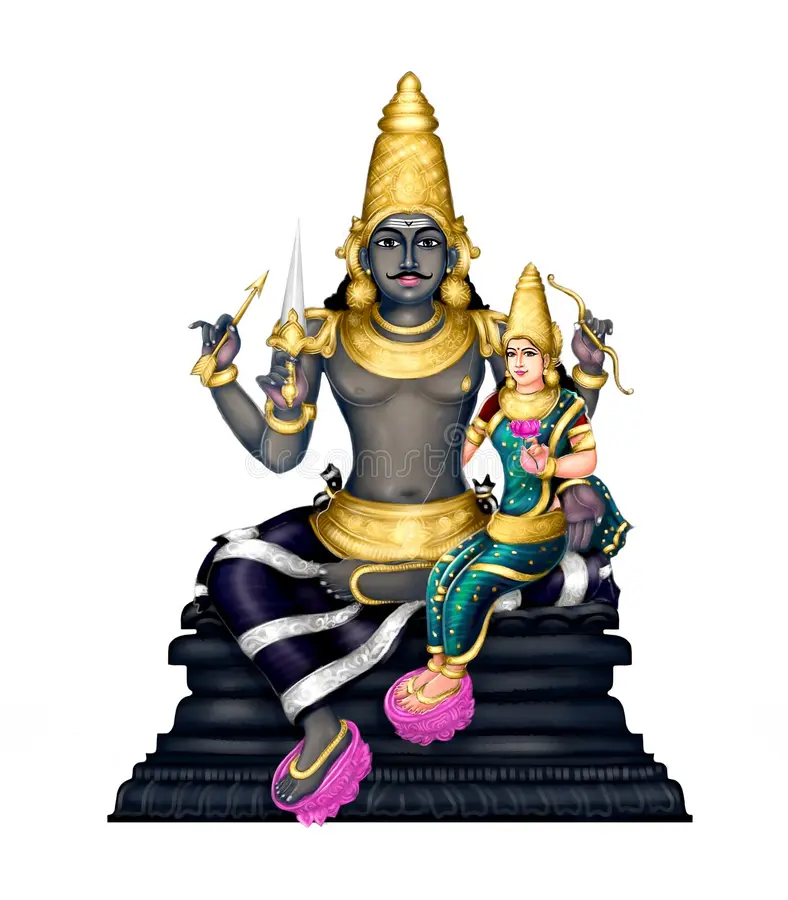
As we approach the end of June 2026, the astrological landscape is shifting dramatically. Saturn is already retrograde in Revati Nakshatra, preparing for its intense conjunctions ahead, and the cosmic warrior Mars (मंगल) is gearing up for one of the most significant transits of the year. On June 27, 2026, Mangal enters his own sign of Aries (Mesha Rashi), igniting a four-month period of raw energy, decisive action, and the rare temporary activation of Ruchaka Mahapurusha Yoga (रुचक महापुरुष योग) for specific Lagna and Chandra Rashi combinations. Whether you are a Mesha Rashi native or someone whose chart holds the dormant promise of this Pancha Mahapurusha Yoga, this transit demands your attention—not out of fear, but out of conscious alignment with Martian energy.
This is not merely a routine gochar (transit). When a planet enters its swarashi (own sign), it gains shad-bala (six-fold strength) and expresses its karakatwa (significations) with clarity and force. For Mars, the commander-in-chief of the planetary cabinet, this means courage, leadership, landed property, and physical stamina become dominant themes. But there is a deeper layer here. The Saturn retrograde in Revati happening simultaneously creates a fascinating Shani-Mangala dynamic—discipline meeting drive, restriction meeting expansion. Understanding this interplay is key to navigating the months ahead.
Mars Enters Aries June 27 2026: Exact Timing, Nakshatra & Hora
Mark your panchang: Mars enters Aries (Mesha Rashi) on June 27, 2026. At the moment of ingress, the red planet will be positioned in the early degrees of Mesha, initially occupying Bharani Nakshatra (ruled by Venus) before transitioning into Krittika Nakshatra (ruled by the Sun) in the weeks that follow. While the exact ghati and vighati of planetary ingress require precise ephemeris calculation, the energy of this shift will be palpable from the evening of June 26 through the morning of June 27 across Indian time zones.
From a hora perspective, the most potent hours to initiate Mars-related activities—such as wearing red coral, beginning a fitness regimen, or performing Angaraka Stotra—will be during Mangala Hora on Tuesdays. During this four-month stay in Aries, Mars will cast his drishti (aspect) on the 4th, 7th, and 8th houses from his position. This means from Mesha, he aspects Karka (Cancer), Tula (Libra), and Vrishchika (Scorpio), intensifying matters related to home, partnerships, and transformations for those signs. If your Lagna or Moon falls in any of these signs, you will feel this transit acutely.
It is also worth noting that Mars will be moving through the Krittika fire-energy soon after ingress. We have previously explored how Mars behaves in this nakshatra across different houses; you may find our detailed analysis of Mars in Krittika in the 11th House helpful for understanding the nakshatra-level nuances of this transit.
Ruchaka Mahapurusha Yoga Decoded: Pancha Mahapurusha Rules & Transit Activation
In the Brihat Parashara Hora Shastra (BPHS), the sage Parashara describes five extraordinary combinations known as the Pancha Mahapurusha Yogas (पंच महापुरुष योग): Ruchaka (Mars), Bhadra (Mercury), Hamsa (Jupiter), Malavya (Venus), and Shasha (Saturn). These yogas are formed when any of these five planets occupies its own sign or moolatrikona sign and simultaneously resides in a kendra (quadrant: 1st, 4th, 7th, or 10th house) from either the Lagna (ascendant) or the Chandra (Moon). Ruchaka Yoga specifically requires a strong Mars in Aries, Scorpio, or exalted in Capricorn, placed in a kendra.
The classical texts promise that Ruchaka Yoga bestows a commanding physique, indomitable courage, landed property, military or police honors, and a temperament that thrives under pressure. The Jataka Parijata adds that such natives possess a ruddy complexion, a broad chest, and an unmistakable aura of authority. But here is where most modern astrologers stop—and where we need to go deeper. Does a transit of Mars into Aries create Ruchaka Yoga for everyone? The honest answer is no. A transit cannot manufacture a Mahapurusha Yoga from nothing. However, Jyotish also recognizes the principle of phala-udaya—the ripening and activation of natal promise.
If your birth chart contains Mars in a favorable position—perhaps in its own sign, exalted, or well-placed in a kendra—and your current dashas (planetary periods) support it, then this transit acts as a cosmic trigger. For individuals with Mesha, Karka, Tula, or Makara Lagna or Chandra Rashi, Mars will occupy a kendra from your natal sign during this transit. This temporarily activates what we might call a Gochara Ruchaka—a transit-level Ruchaka effect. It is like a dormant volcano receiving the precise tectonic pressure to erupt. Not everyone will feel this equally, but for those with the natal foundation, June through September 2026 could deliver some of the most decisive victories of the decade.
💡 Quick Tip: A transit alone cannot create a Mahapurusha Yoga if your natal chart lacks the foundational promise. However, for those with Mars strongly placed in their janma kundali (birth chart), this transit acts as a powerful phala-udaya (fruit-bearing) period. Think of it as a temporary power-up for your natal Mars.
Which Lagnas and Chandra Rashis Experience Ruchaka Yoga Effects? A Rashi-wise Guide
During Mars' sojourn in Aries, the planet will occupy the 1st house for Mesha natives, the 10th for Karka, the 7th for Tula, and the 4th for Makara. These four signs receive the direct kendra blessing, activating the Ruchaka potential for those whose charts already carry Martian strength. Below is a comprehensive breakdown of how this transit interacts with each Rashi when counted from the Lagna or Chandra Rashi.
| Lagna / Chandra Rashi | Mars' House from Sign | Ruchaka Activation | Primary Themes (June–Sept 2026) |
|---|---|---|---|
| Mesha (Aries) | 1st House (Kendra) | Yes — Full Ruchaka | Physical vitality, leadership, confidence surge, new personal initiatives |
| Vrishabha (Taurus) | 12th House | No | Controlled expenses, spiritual retreats, foreign connections, sleep quality |
| Mithuna (Gemini) | 11th House | No | Gains through elder siblings, network expansion, courage in social circles |
| Karka (Cancer) | 10th House (Kendra) | Yes — Full Ruchaka | Career aggression, professional authority, political success, public recognition |
| Simha (Leo) | 9th House | No | Father's wellbeing, long-distance travel, higher education, dharma-karma |
| Kanya (Virgo) | 8th House | No | Sudden transformations, inheritance matters, research, occult interest |
| Tula (Libra) | 7th House (Kendra) | Yes — Full Ruchaka | Dynamic partnerships, decisive marriage proposals, aggressive business deals |
| Vrishchika (Scorpio) | 6th House | No | Victory in litigation, debt recovery, competitive exams, health recovery |
| Dhanu (Sagittarius) | 5th House | No | Academic success, romantic pursuits, speculation, children's achievements |
| Makara (Capricorn) | 4th House (Kendra) | Yes — Full Ruchaka | Property acquisition, vehicle purchases, mother's health, emotional grounding |
| Kumbha (Aquarius) | 3rd House | No | Courage in communication, short travels, younger siblings' support |
| Meena (Pisces) | 2nd House | No | Family wealth dynamics, assertive speech, dietary discipline, eye health |
Notice that even for signs not receiving the full Ruchaka activation, Mars in Aries is still a powerful force. For example, Mercury in Krittika in the 10th House natives may find this Mars transit activating their career sector through sharp, decisive communication. The key is to recognize which house Mars is activating from your personal chart and to work with that energy rather than against it.
Mesha Rashi Exclusive Forecast: Career, Health & Relationships
If you are a Mesha Rashi (Aries Moon), Mesha Lagna (Aries Ascendant), or Mesha Simha (Aries Sun) native, this transit is uniquely about you. With Mars transiting your 1st house—the tanu bhava representing the self, body, and personality—you are essentially being asked to step into your authority. This is one of those placements that makes people nervous on Reddit threads, but in reality, it is a tremendous gift if channeled correctly.
Career and Aggression: In the professional sphere, hesitation is your only enemy until September 2026. Mars in the 1st house gives the executive courage to ask for promotions, launch independent ventures, and challenge stagnant workplace hierarchies. However, the flip side is impulsivity. The uchchata (exalted feeling) of Mars can make you perceive slights where none exist. If you are in a leadership position, practice counting to ten before sending that fiery email. For entrepreneurs, this is an excellent window to secure funding or sign aggressive contracts, especially during Mars Hora on Tuesdays.
Health — Blood, Muscles & Inflammation: Physiologically, Mars governs rakta (blood), mamsa (muscles), and the body's heat regulatory systems. During this transit, Mesha natives may experience a surge in physical energy, making it an ideal time to begin strength training or martial arts. Conversely, those with a tendency toward high blood pressure, skin inflammations, or acidic disorders should monitor their symptoms closely. This is not a period to ignore a recurring fever or muscle injury. Ayurvedically, favor cooling foods—kshira (milk), ghrita (ghee), and sweet fruits—while reducing red meat, excess salt, and fermented foods that aggravate pitta.
Relationships and Marital Dynamics: Mars in the 1st house casts his 7th aspect directly on your kalatra bhava (7th house of marriage and partnerships). For married Mesha natives, this can manifest as a need to dominate conversations or a sudden impatience with a partner's pace. Unmarried natives may feel an urgent push toward commitment or, conversely, a desire to break free from restrictive relationships. The remedy here is conscious communication. Mars wants action, not necessarily conflict. Channel this energy into shared physical activities—hiking, dancing, or even competitive sports with your partner—rather than psychological warfare.
The Triple Aspect: From Aries, Mars also aspects the 4th house (Chaturtha) and 8th house (Ashtama) from himself. For Mesha Lagna, this means direct aspects on your 4th house (Cancer) and 8th house (Scorpio). This simultaneously shakes your domestic stability and triggers deep, transformative changes. You may find yourself suddenly wanting to renovate your home, buy a vehicle, or confront buried family secrets. The 8th house aspect can bring unexpected financial gains through inheritance or insurance, but it also demands caution regarding accidents and surgeries. Drive carefully, especially on Tuesdays.
⚠️ Health Note: Mars governs blood, bone marrow, and muscular tissue. During this transit, Mesha Rashi natives and those with Angharakha Dosha should monitor blood pressure, avoid reckless physical activity, and stay hydrated. If you notice increased inflammation or skin irritations, reduce spicy foods and practice cooling pranayama like Sheetali.
Remedial Protocol: Angharakha Dosha, Moonga Rules & Tuesday Mars Hora Donations
No Vedic astrology article is complete without a practical remedial path. If this transit feels overwhelming, or if you simply wish to align more deeply with Mars' benevolent side, follow this structured protocol through September 2026.
- Angharakha Dosha Assessment: First, determine if your chart carries Angharakha Dosha—typically seen when Mars conjoins Rahu, or when Mars occupies the 1st, 2nd, 4th, 7th, 8th, or 12th house in a severely afflicted state. If you have this combination, the Mars-in-Aries transit can amplify irritability, accidents, or blood-related issues. In such cases, avoid aggressive sports and postpone major surgeries unless absolutely necessary.
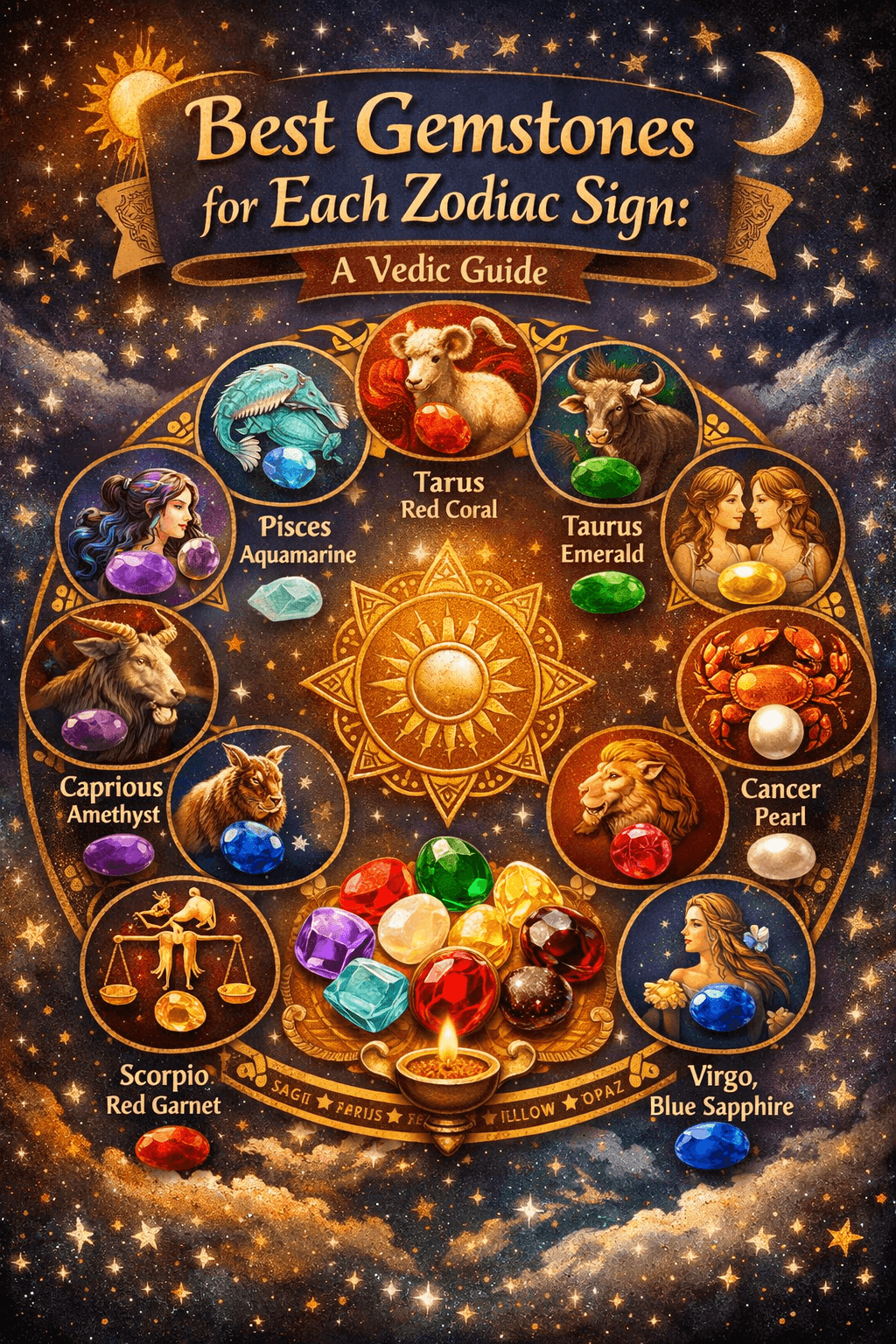
- Moonga (Red Coral) Wearing Rules: If Mars is a functional benefic in your chart (typically for Mesha, Karka, Simha, Dhanu, and Vrishchika Lagna), consider wearing a moonga (red coral) of 3 to 6 carats. The gem should be natural and untreated, set in copper or gold, and worn on the ring finger of the right hand (for men) or left hand (for women), on a Tuesday during Shukla Paksha Mars Hora. Before wearing, immerse the coral in a mixture of Ganga Jal and unboiled cow milk for at least 10 minutes. Chant "Om Angarakaya Namah" 108 times.
- Hanuman Bahuk Path: The Hanuman Bahuk is a powerful 40-verse stotra composed by Tulsidas to pacify Mars and remove severe afflictions. Recite it every Tuesday morning after bathing. If possible, light a mustard oil lamp under a peepal or banyan tree and offer besan laddoos or red flowers to Lord Hanuman.
- Tuesday Mars Hora Donations: On Tuesdays, especially during the Mars Hora, donate masoor dal (red lentils), red cloth, copper utensils, jaggery, and wheat. The recipients should ideally be young boys, Hanuman temple priests, or soldiers. This daana (charity) directly propitiates Mars and reduces his harshness.
- Mantra Sadhana: Daily chanting of the Mars beeja mantra "Om Kraam Kreem Kraum Sah Bhaumaya Namah" (108 times) or the simpler "Om Bhaum Bhaumaya Namah" will strengthen your connection to Mangal's disciplined side. For those experiencing acute Martian aggression, the Angaraka Stotra from the Narada Purana is highly recommended.
- Lifestyle Adjustments: Engage in regular physical exercise to ground Mars' kinetic energy. Avoid repressed anger—it will find an outlet, often destructively. Practice Sheetali Pranayama and drink adequate water to balance excess body heat. If you are observing a Tuesday fast, take a single meal without salt, and avoid alcohol and non-vegetarian food entirely during this transit.
For those planning major life events during this window, always cross-check with the Mrityu Panchak dates in June 2026 to avoid inauspicious muhurtas. Even a strong Mars transit cannot fully override the nishubh energy of Panchak periods for certain rituals.
How to Channel This Martian Fire: Final Thoughts
Mars in Aries is not a transit to sleep through. It is a call to action, a celestial drumroll for those who have been waiting for permission to assert themselves. But assertion without direction is merely aggression. The wisdom of Jyotish teaches us that every planet is a teacher. Mars teaches us about boundaries, about the courage to protect what is sacred, and about the discipline to act without attachment to the fruits of action—karma yoga in its truest sense.
As we move through June, July, August, and September 2026, remember that this transit coincides with other significant celestial movements. The Saturn retrograde in Revati will demand patience while Mars demands speed. The tension between these two is where growth happens. Do not cancel your caution; simply do not let it cancel your courage.
Whether you are a Mesha native feeling the full blaze of this transit, or a Karka professional riding the Ruchaka wave in your 10th house, the message is the same: align your will with dharma, temper your steel in the fire of discipline, and move forward. The cosmos is clearing the path. You only need to walk it.
🔮 Discover Your Mars Potential
Want to know if your kundali holds Ruchaka Yoga or how this Mars transit activates your personal chart? Generate your detailed Vedic horoscope on RashiByte and uncover the exact house, aspect, and phala for your Lagna and Chandra Rashi.
Generate Your Free Kundali →Or ask our AI astrologer for personalized guidance on Mars remedies.
Frequently Asked Questions
What is Ruchaka Yoga and how is it formed?
Ruchaka Yoga is one of the five Pancha Mahapurusha Yogas described in the Brihat Parashara Hora Shastra. It is formed when Mars occupies its own sign (Aries or Scorpio) or its exaltation sign (Capricorn) and is placed in a kendra (1st, 4th, 7th, or 10th house) from the Lagna or the Moon. This yoga bestows courage, physical strength, landed property, and leadership abilities.
When exactly does Mars enter Aries in June 2026?
Mars enters Aries (Mesha Rashi) on June 27, 2026. At the time of ingress, Mars will be in the early degrees of Aries, initially occupying Bharani Nakshatra before moving into Krittika Nakshatra in the subsequent weeks. The most potent hours for Mars-related initiations fall during Mangala Hora on Tuesdays.
Which Lagna signs benefit from Ruchaka Yoga during Mars transit in Aries?
During this transit, Mars occupies a kendra (quadrant) from Mesha (1st house), Karka (10th house), Tula (7th house), and Makara (4th house). Therefore, natives with Aries, Cancer, Libra, or Capricorn as their Lagna or Chandra Rashi will experience a temporary activation of Ruchaka Yoga effects, provided their natal charts support a strong Mars.
Can a transit alone create Mahapurusha Yoga?
No, a transit cannot create a true Mahapurusha Yoga if the natal chart lacks the foundational planetary dignity and kendra placement. However, transits can act as powerful triggers (phala-udaya) that activate the latent promise of a well-placed natal Mars. Think of the birth chart as the seed and the transit as the monsoon that causes it to sprout.
What are the best Vedic remedies for Mars in Aries 2026?
The most effective remedies include wearing red coral (moonga) on the ring finger during Mars Hora on a Tuesday, reciting the Hanuman Bahuk or Angaraka Stotra, donating red lentils and copper on Tuesdays, and chanting the Mars beeja mantra "Om Kraam Kreem Kraum Sah Bhaumaya Namah" daily. Lifestyle changes like regular exercise, cooling pranayama, and anger management are equally important.
मंगल मेष राशि में कब आ रहा है 2026 में?
मंगल 27 जून 2026 को मेष राशि (Aries) में प्रवेश करेगा। यह गोचर रुचक महापुरुष योग को सक्रिय करेगा, विशेष रूप से उन लोगों के लिए जिनकी कुंडली में मंगल बलवान है। इस अवधि में मेष, कर्क, तुला और मकर लग्न या चंद्र राशि वालों को विशेष लाभ मिल सकता है।
How does Mars in Aries specifically affect Mesha Rashi natives?
For Mesha Rashi (Aries Moon), Mesha Lagna, or Mesha Sun natives, Mars transiting the 1st house brings a surge of physical energy, leadership drive, and assertiveness. Career initiatives are favored, but impulsivity and relationship friction must be managed. Health-wise, monitor blood pressure and muscle strain. This is a powerful time for personal reinvention if channeled through disciplined action.
— Written by RashibyteAI
No comments yet. Be the first to share your thoughts!