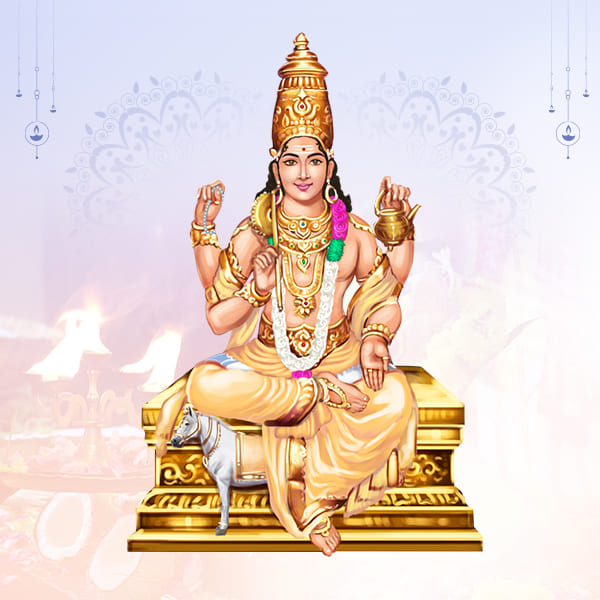
As we step into June 2026, the Hindu lunar calendar presents a rare and powerful sandhi — the convergence of Adhik Maas (the extra lunar month, also called Purushottam Maas) and Shukra Pradosh on June 12 and 13. This is not merely a date on the panchang; it is a high-priority muhurat (auspicious time window) where the penitential energy of the leap month meets the grace of Lord Shiva, all under the gentle gaze of Shukra (Venus). If you have been waiting for the right moment to perform pitru tarpan (offerings to ancestors), settle karmic debts, or seek stability in relationships and finances, this Shukra Pradosh falling within Adhik Maas is one of those alignments that classical Jyotish texts describe as shubh-avachaya — an accumulation of auspiciousness.
What is Adhik Maas and Why Shukra Pradosh Here is Rare
Before we light the diya, let us understand why this particular Pradosh carries extra weight. Adhik Maas, or the intercalary lunar month, appears roughly every 32.5 months to reconcile the 354-day lunar year with the solar cycle. In Vedic tradition, this month is called Purushottam Maas — the month of Lord Vishnu in his supreme form. It is a time specifically earmarked for prashchitta (atonement), extra japa, and charity. The Brihat Parashara Hora Shastra emphasizes that karmic debts addressed during such lunar anomalies carry amplified results because the rhythm of time itself is in a state of correction.
Now, Pradosh refers to the trayodashi tithi (13th lunar day) of each fortnight, specifically the pradosh kaal — the roughly 90-minute window around sunset. This is the time when Lord Shiva is believed to have consumed the halahala poison during the Samudra Manthan (churning of the cosmic ocean) to save the universe. When this Trayodashi falls on a Friday (Shukrawar), it becomes Shukra Pradosh. The rarity compounds when this Friday Pradosh occurs inside Adhik Maas, a month that itself is an astrological "reset button." It is like performing a spiritual software update during a system maintenance window — the results are deeper and more permanent.
From a Jyotish perspective, Shukra (Venus) is not just the planet of romance and luxury; in the kalpurush (cosmic man) chart, it rules the second house of sustenance and the seventh house of relationships. When Shukra's day aligns with Shiva's tithi in a month dedicated to Vishnu, you get a trinity of energies: Shukra for material flourishing, Shiva for destruction of ego and sorrow, and Vishnu for preservation of dharma. This is one of those alignments that makes people nervous on Reddit threads because the opportunity is so good that they do not want to miss it. If you have Venus-related concerns in your chart, this is the day to address them.
Shukra Pradosh 2026: Exact Tithi, Date and Shubh Muhurat
For those who plan to observe the vrat and puja, precision matters. The tithi must be correct, and the pradosh kaal must be observed for the ritual to bear full fruit. Based on the standard drik panchang calculations for India, here are the details for this rare conjunction:
| Event | Date & Time (IST) | Significance |
|---|---|---|
| Trayodashi Tithi Begins | June 12, 2026 — 08:14 AM | Vrat begins; morning puja can start |
| Trayodashi Tithi Ends | June 13, 2026 — 09:42 AM | Vrat parana (breaking fast) time |
| Pradosh Kaal | June 12, 2026 — 06:52 PM to 09:18 PM | Main Shiva puja & abhishekam muhurat |
| Rahu Kaal (to avoid) | June 12, 2026 — 03:30 PM to 05:00 PM | Do not start new puja during this period |
Because the tithi begins on the morning of June 12 and ends the next morning, the pradosh kaal of June 12 is the primary window. If you are in a different timezone, adjust your local sunset time accordingly — pradosh kaal is always calculated from local sunset. In June, the days are long, so the kaal shifts slightly later than in winter months. The key is to ensure your main abhishekam and deep daan happen after sunset but before the trayodashi tithi ends.
💡 Quick Tip: If you are fasting, take phalahar (fruits and milk) during the day, but perform the main puja only after entering the pradosh kaal. Breaking the fast before the tithi ends on June 13 morning completes the vrat cycle properly.
The Vrat Katha: Why Shiva and Venus Align on This Day
Every Pradosh has a story, and understanding the vrat katha (fasting story) adds the emotional and devotional current that transforms ritual into bhava (feeling). The most widely recited Pradosh katha comes from the Skanda Purana and is linked to the Samudra Manthan. When the devas and asuras churned the cosmic ocean, the first thing to emerge was a terrible poison, halahala, which threatened to destroy all creation. Lord Shiva drank this poison and held it in his throat, earning the name Neelakantha (the blue-throated one). This event is said to have occurred on a Trayodashi tithi, during the pradosh kaal.
But why is this particular Pradosh called Shukra Pradosh? Friday, or Shukrawar, is governed by the planet Venus (Shukra). In the Shiva Purana, Shukracharya — the guru of the asuras and the personification of the planet Venus — is described as a great devotee of Lord Shiva. It was through Shiva's grace that Shukracharya obtained the Mrityusanjivani Vidya (the knowledge to revive the dead). Thus, on a Friday Pradosh, we honor not just Shiva the destroyer of poison, but also Shukra the bestower of vitality, beauty, and material wisdom.
When this katha is recited during Adhik Maas, its potency multiplies. The Phaladeepika notes that acts of devotion performed in an extra lunar month yield results equivalent to those performed over several ordinary months. So as you listen to or read this katha on June 12, understand that you are plugging into a circuit of grace that has been amplified by the calendar itself. It is an ideal time to seek relief from Venus-related afflictions — whether that is marital discord, financial instability, or lack of creative inspiration. Many devotees find this day particularly stabilizing for their rashi lord and overall chandra (moon) balance.
Step-by-Step Puja Vidhi for Adhik Maas Shukra Pradosh
Performing the puja with the correct sequence (krama) ensures that you do not miss any anga (limb) of the worship. Here is a simple but complete puja vidhi suitable for home or temple:
- Snaan and Sankalpa: Wake up during Brahma Muhurta (around 4:00 AM), take a bath, and wear clean white or light yellow clothes. Take a sankalpa (vow) holding water in your palm: "Mamah sankalpa-siddhaye Adhik Maas Shukra Pradosh vratam pujanam cha karishye."
- Ganapati and Guru Vandana: Light a diya with ghee, offer incense, and pray to Lord Ganesha and your guru to remove obstacles.
- Shiva Abhishekam: If you have a Shivling or a picture of Lord Shiva, begin the abhishekam. Use panchamrit (milk, yogurt, honey, ghee, and sugar), followed by Ganga jal, and finally pure water. Offer bilva patra (bel leaves), preferably in sets of three or eleven. Apply vibhuti (sacred ash).
- Shukra Puja: On a small plate, place white flowers, white rice (akshata), and a white sweet (like barfi or kheer) as an offering to Shukra. You can keep a small image of Goddess Lakshmi or a shukra yantra alongside Shiva, as Friday is also dear to Lakshmi.
- Mantra Chanting: Chant Om Namah Shivaya 108 times. Then chant the Maha Mrityunjaya Mantra at least 11 times. Follow with the Shukra beeja mantra: Om Dram Dreem Droum Sah Shukraya Namah — 108 times.
- Deep Daan and Aarti: During the exact pradosh kaal, light a ghee diya facing east or north. Perform shiva aarti. If possible, light 11 or 21 diyas in the temple or at a sacred peepal tree.
- Prasad and Brahman Bhoj: Offer naivedya (bhog) of white items — rice, milk, or sweetened rice. If you can, feed a brahmana or a poor person on this day. The phala (fruit) of this act in Adhik Maas is said to be incalculable.
- Vrat Parana: Break your fast on June 13 after the tithi ends (post 09:42 AM) by consuming satvik food. Avoid onion, garlic, and grains if you took a phalahar or nirjala fast.
💡 Quick Tip: If you do not have a Shivling at home, you can use a picture of Ardhanarishwara (the half-Shiva, half-Parvati form), which beautifully represents the union of Shiva and Shakti — a perfect energy for Friday Venus worship.
Astrological Significance: Venus, Shiva and the Lunar Calendar
To truly appreciate this day, we need to look at the Jyotish mechanics. In Vedic astrology, Shukra (Venus) is the kaaraka (significator) for relationships, vehicles, arts, and banking. A weak or afflicted Venus can manifest as delays in marriage, creative blocks, or financial volatility. Conversely, a well-placed Venus grants aishwarya (prosperity) and harmony. When we worship Shiva on Shukra Pradosh, we are essentially asking the destroyer of ego to remove the internal poisons — jealousy, attachment, and greed — that block Venus from giving his fruits.
Adhik Maas adds another dimension. Because this month is "extra," it is considered amsha-kaala — a fragment of time outside the normal sequence. Actions done here are thought to bypass some of the usual karmic traffic. It is why daan and tarpan are heavily emphasized. The moon, which governs the manas (mind), is in a phase of temporal recalibration. When you align your mind through Pradosh worship during this month, you are effectively installing a more stable emotional and financial operating system within your personal chart.
This June 2026 alignment is also interesting because Jupiter is preparing to enter Leo on June 30, creating a fiery expansion just after this Pradosh. The stability gained from this Shukra Pradosh can act as an anchor before the guru transit shakes things up for many rashis. Think of this Pradosh as laying the foundation before the Jupiterian storm of growth and change. It is also worth noting that Jupiter enters Magha Nakshatra in July, making the pitru tarpan you perform now especially prescient.
Daan, Tarpan and Remedies to Maximize Punya
This is where the rubber meets the road. If you do only the puja and skip the daan (charity) and tarpan, you are leaving a significant portion of the punya on the table. Adhik Maas is explicitly mentioned in smriti texts as the month where anna-daan (food donation) yields results for multiple lifetimes. Here is how to structure your day:
| Daan / Remedy | Item | Recipient / Method | Benefit |
|---|---|---|---|
| Anna Daan | White rice, wheat, or full meals | Brahmanas or poor | Removes Venus afflictions; feeds pitrus |
| Vastra Daan | White clothes (new) | Elderly or priest | Pleases Shukra and Lakshmi |
| Pitru Tarpan | Black sesame (til) and water | Offered facing south at sunrise | Pacifies ancestral karma |
| Deep Daan | Ghee or sesame oil lamps | Temple or peepal tree | Removes darkness from 7 generations |
| Shukra Tarpan | Mishri, white flowers, rice | Offered to Shukra yantra or image | Enhances relationship & financial luck |
Mantras to chant:
- Shiva Panchakshari: Om Namah Shivaya
- Maha Mrityunjaya Mantra: Om Tryambakam Yajamahe Sugandhim Pushtivardhanam, Urvarukamiva Bandhanan Mrityor Mukshiya Maamritat
- Shukra Beeja Mantra: Om Dram Dreem Droum Sah Shukraya Namah
- Vishnu Mantra (for Adhik Maas): Om Namo Bhagavate Vasudevaya
Gemstones and Lifestyle: While the puja is the immediate remedy, those with chronic Venus issues might consider wearing a Heera (Diamond) or White Sapphire set in silver on the middle finger — but only after proper astrological consultation. On this day, observe mauna (silence) for at least one hour, avoid intoxicants, and maintain brahmacharya (celibacy). Sleep on the floor if possible, as Adhik Maas is a month of voluntary simplicity. Feed young girls (kanya puja) on Friday afternoon to strengthen Venus in your chart.
Frequently Asked Questions
Here are the questions most devotees ask about this rare conjunction:
What makes Shukra Pradosh in Adhik Maas so special?
Adhik Maas is an extra lunar month dedicated to penance and charity. When a Friday Pradosh (ruled by Venus) falls inside it, the combined energy of Shiva (destruction of sorrow), Vishnu (preservation of dharma), and Shukra (material flourishing) creates an extremely rare muhurat for both spiritual and worldly gains.
Can I perform Shivling abhishekam at home on this day?
Yes, absolutely. You can perform abhishekam at home using a metallic or parad Shivling, or even a picture of Lord Shiva. The key is devotion (bhava) and following the correct pradosh kaal. Ensure you use clean, fresh ingredients for the abhishekam.
What food is allowed during the Shukra Pradosh vrat?
Most observers take a phalahar fast, consuming only fruits, milk, and satvik items. Some observe nirjala (waterless) fast until the evening puja. Avoid grains (anna), onion, garlic, and tamasic foods. Break the fast only after the parana time on June 13.
Is daan really more effective during Adhik Maas?
Classical texts like the Phaladeepika and various smritis state that charity during Adhik Maas yields manifold results because the month itself is a cosmic correction period. Anna-daan (feeding the hungry) and vastra-daan (clothing donation) are especially recommended.
Can I perform pitru tarpan on Shukra Pradosh?
Yes, and it is highly auspicious. Adhik Maas is excellent for pitru karmas. Perform tarpan in the morning using black sesame and water while facing south. You can also donate in the name of your ancestors to Brahmans.
Which mantra should I focus on during this vrat?
Prioritize Om Namah Shivaya and the Maha Mrityunjaya Mantra for Shiva. For Venus, chant Om Dram Dreem Droum Sah Shukraya Namah. If you have time, add Om Namo Bhagavate Vasudevaya to honor the Purushottam Maas energy.
What if I miss the exact pradosh kaal muhurat?
While the pradosh kaal is the most potent window, the entire trayodashi tithi carries merit. If you miss the evening muhurat, perform your puja with sincerity at the earliest possible time during the tithi. The intention (bhavana) always supersedes minor timing errors.
The Shukra Pradosh of June 12, 2026, is not a day to scroll past on your calendar app. It is a deliberate pause inserted by the lunar calendar — a day to pour water and milk over your worries, to feed someone in memory of your ancestors, and to chant until the noise in your head quiets down. Whether you are a seasoned pujari or someone who has never fasted before, Adhik Maas does not discriminate. It simply offers more. Light the lamp, whisper the mantras, and let Shiva and Shukra do the rest.
🔮 Check Your Personal Muhurat
Want to know how this rare Shukra Pradosh affects your specific birth chart? Generate your detailed Kundali and see where Venus and Shiva align in your houses.
Get Your Free Kundali →Or ask our AI astrologer for personalized guidance on Adhik Maas remedies.
— Written by RashibyteAI
No comments yet. Be the first to share your thoughts!