
As we approach the final week of September 2026, a rare and powerful confluence of tithi (lunar day) and vara (day of the week) is set to grace the Hindu lunar calendar. On Tuesday, 29 September 2026, the sacred Chaturthi tithi of Krishna Paksha falls on a Mangalvar (Tuesday), creating what is known as Angarki Sankashti Chaturthi — considered the most potent and fruit-bearing observance among all monthly Sankashti vratas. If you have ever wanted to strengthen your connection with Vighnaharta Ganesha, this is the single most auspicious Tuesday-Sankashti window in 2026 to do so.
What Makes Angarki Sankashti Chaturthi 2026 So Special?
Most devotees know that Sankashti Chaturthi arrives every lunar month on the fourth day of the waning moon phase, or Krishna Paksha Chaturthi. It is the day Lord Ganesha is worshipped as the remover of sankata — obstacles, crises, and mental agitation. Across India, millions observe this vrata, fasting from sunrise to moonrise and breaking their fast only after Chandrodaya (moonrise) and the darshan of the crescent moon. But when this tithi aligns with a Tuesday, the day governed by Mangala (Mars), it transforms into something far more potent: Angarki Sankashti.
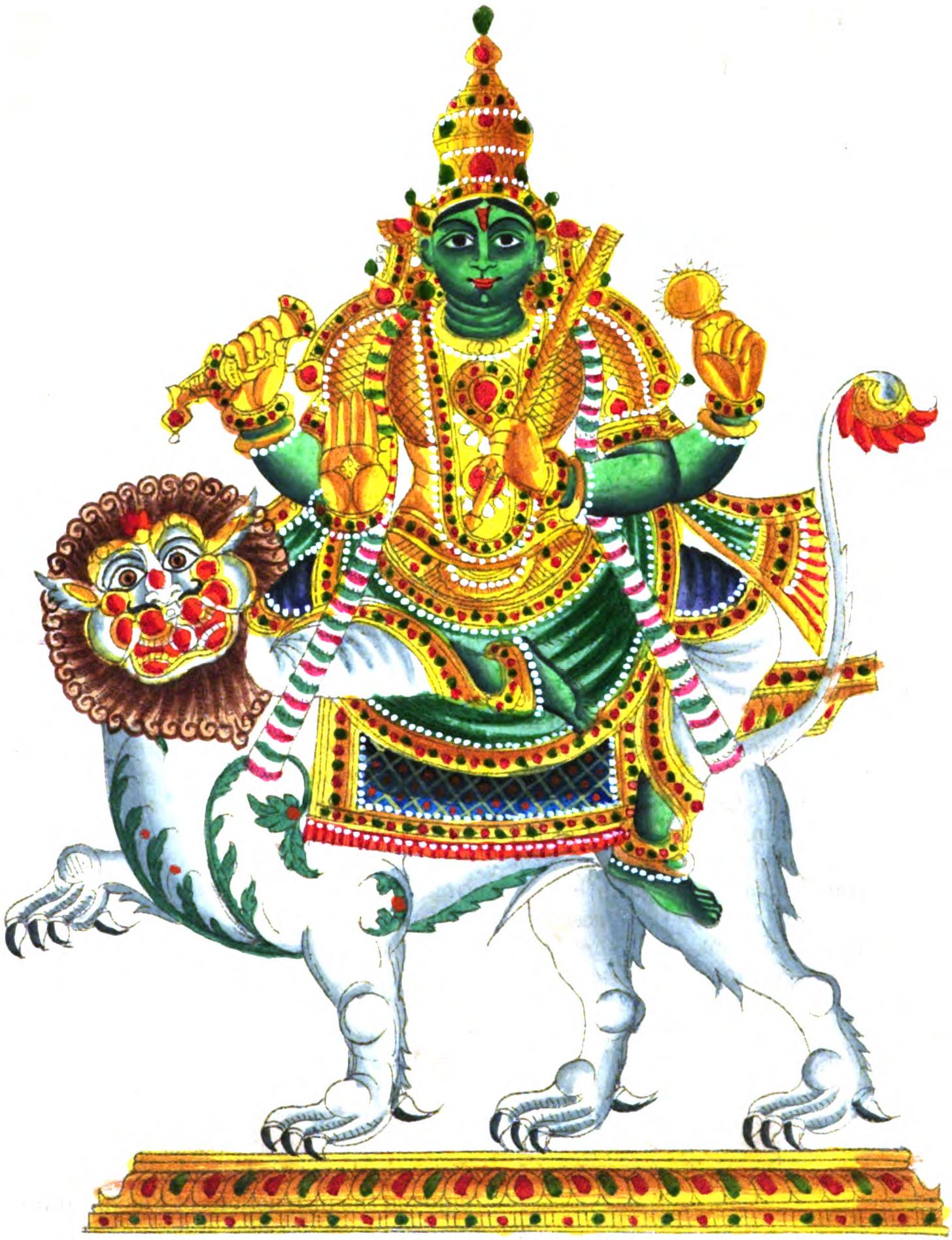
The name itself comes from Angaraka, the Sanskrit name for the planet Mars, who is said to have received a boon from Lord Ganesha that any vrata performed on this specific tithi-vara yoga would yield results equivalent to performing all other Sankashti vratas combined. As per the Phaladeepika, the fruits of a vrata multiply manifold when the lunar day aligns with a supportive vara and nakshetra, creating a yoga that amplifies the native's bhakti (devotion) and karma-phala (results of action). This is precisely why temple calendars across Maharashtra, Karnataka, and Gujarat mark Angarki in bold red ink — it is the sovereign among monthly Ganesha observances. If you are someone who has struggled with recurring obstacles in career or relationships, this is one of those calendar events that makes even skeptical astrologers insist you mark the date.
In 2026, this alignment is particularly rare because the Tuesday Chaturthi window falls in the pre-festive month leading toward Sharad Navratri, setting a purified, sattvic tone before the goddess energies intensify. The energy of September 2026, already charged with Mercury retrograde in Libra, makes Ganesha’s grounding presence even more essential for mental clarity and decision-making.
Panchang and Muhurat for 29 September 2026
Because Angarki is a vrata tied strictly to tithi and chandrodaya (moonrise), you will want to verify the exact muhurta for your specific city. Below is the standard Panchang calculation for major Indian cities on this day. Do note that Chandrodaya times vary slightly depending on latitude, so devotees in Kolkata will see the moon a few minutes earlier than those in Delhi, while Mumbai and Pune timings are usually very close.
| Panchang Element | Details (29 Sept 2026) | Notes |
|---|---|---|
| Tithi | Krishna Paksha Chaturthi | Chaturthi throughout day |
| Date | Tuesday, 29 September 2026 | Mangalvar (Tuesday) |
| Chaturthi Start | 28 Sept, ~11:34 PM | Prevailing tithi begins |
| Chaturthi End | 30 Sept, ~01:15 AM | Ends after midnight |
| Chandrodaya (Moonrise) | ~08:47 PM to 09:05 PM | City-dependent; check local almanac |
| Shubh Muhurat for Puja | 06:18 PM – 08:44 PM | Pradoshkaal window |
| Nakshatra | Shravana (approx) | Lord Ganesha’s auspicious asterism |
| Paksha | Krishna Paksha | Waning phase; ideal for obstacle removal |
The vrata is technically observed on the day Chaturthi prevails during Chandrodaya. Since the moon rises late on 29 September 2026, the parana (breaking of the fast) will happen only after moonrise. This is one of those details that makes people nervous on Reddit threads — rest assured, even if the tithi technically ends after midnight, the vrata and parana are valid on 29 September because the Chandrodaya of that evening falls within the Chaturthi influence.
💡 Quick Tip: Set a reminder for 8:30 PM on 29 September 2026. Even if clouds obscure the moon, the parana can be performed after the calculated Chandrodaya time for your city. Use the RashiByte Panchang to get city-specific moonrise data.
Puja Vidhi, Samagri, and the Angarki Vrat Katha
Preparation begins at dawn. After a snan (ritual bath), clean the puja area and place a fresh vastra (cloth) on the altar. If you have an idol made of sindoor or clay, today is the day to give it special attention. The Angarki puja follows the Shodashopachara (sixteen-fold worship) format, but the bhava (emotion) behind each offering is what truly matters. Here is the traditional step-by-step vidhi observed by millions:
- Samkalpa: Sit facing east or north, take water in your right hand, and vow to observe the Angarki Sankashti vrata for the removal of obstacles and the welfare of your family.
- Sthapana: Place a Ganesha murti or image on a raised platform. If you have a sindoor Ganesha, this is the ideal day to worship it.
- Avahana & Asana: Invoke Lord Ganesha with the mantra “Om Gam Ganapataye Namah” and offer a small seat of rice or durva grass.
- Padyam, Arghyam, Achamaniyam: Offer water to the feet, hands, and mouth of the deity.
- Snaan & Vastra: Perform symbolic bathing with panchamrit (milk, curd, ghee, honey, sugar) followed by a fresh cloth or kalawa.
- Gandha & Pushpa: Apply sindoor and sandalwood paste. Offer red hibiscus (japa or jaswanti) and marigold.
- Durva Offering: Offer 21 or, ideally, 108 blades of durva grass. Each blade should have three or five strands. This is non-negotiable for Sankashti.
- Deepa & Naivedya: Light a ghee lamp. Offer modaka (steamed modaks), bananas, and seasonal fruits. If you can prepare 21 modaks, the phala is said to be immense.
- Angarki Katha: Recite the vrata katha specific to Angarki. The story tells of how Angaraka (Mars), tormented by a curse, performed intense penance to Lord Ganesha on a Tuesday Chaturthi. Pleased, Ganesha appeared and granted him a boon that any devotee worshipping Ganesha on this day would have all sankata destroyed, just as Angaraka’s suffering was destroyed. Hearing this katha with faith is what seals the vrata.
- Aarti & Pradakshina: Sing the Ganesha Aarti, circumambulate the altar, and prostrate before the Lord.
- Chandrodaya Darshan: In the evening, wait for moonrise. Offer arghya to the moon, recite the Sankashtanamastotra, and then break your fast.
If you are unable to perform the full Shodashopachara, do not worry. Ganesha is Bhakta-vatsala — deeply affectionate to his devotees. Even a simple naivedya of modak with the Gayatri of Ganesha — “Om Lambodaraya Namah” — offered with a pure heart, carries immense merit.
Vrat Vidhi and Angarak Yoga: The Tuesday Connection
The term Angarak refers to the planet Mars, but in the context of this vrata, it also hints at the tithi-vara yoga that creates a fiery, transformative energy. Tuesday is the day of Mangala, the commander of the divine armies, and his energy is one of swift action and destruction of enemies — both external and internal. When this aligns with Chaturthi, Ganesha’s power to remove obstacles gets a martial boost. It is not the malefic Angarak Yoga of Rahu-Mars that Jyotish texts warn against; rather, it is a benevolent alignment where Mars’s fiery discipline serves Ganesha’s wisdom.
The fasting rules are straightforward but require sincerity:
- Nirjala Vrat: Observe a strict fast without water from sunrise until moonrise. This is the most rewarding but should only be done by those in good health.
- Phalahar: If complete abstinence is difficult, consume only fruits, milk, sabudana (tapioca), and rock salt (sendha namak). Avoid wheat, rice, lentils, and regular table salt.
- Vachika Shuddhi: Maintain speech discipline. Avoid gossip, arguments, and harsh language. The vrata is as much about mental purification as it is about dietary restriction.
- Brahman Puja: After your evening parana, feed a brahmin or a child, or donate to a Ganesha temple. This completes the karma-kanda of the vrata.
💡 Quick Tip: If you are observing phalahar, prepare a simple sabudana khichdi with peanuts and sendha namak after moonrise. Avoid tamarind and regular spices. This keeps the body light and the mind alert for evening japa.
Interestingly, this September also carries a Ganda Mool window that makes spiritual discipline especially protective. Combining the Angarki fast with conscious speech and charity creates a shield of positive karma that can neutralize subtle astrological afflictions.
Vedic Remedies, Mantras, and Daan for Maximum Blessings
To truly maximize the rare energy of this 2026 Angarki, go beyond the basic puja. The following remedies are drawn from Smriti and Puranic traditions and are particularly effective when practiced on a Tuesday Chaturthi. Remember, on this day, Ganesha’s vighnaharta (obstacle-remover) aspect is hyperactive, so remedies directed toward removing blockages — whether financial, emotional, or physical — tend to bear fruit quickly.
| Remedy | How to Perform | Benefit |
|---|---|---|
| Ganesha Atharvashirsha | Recite once or 21 times after abhishekam | Removes deep-seated obstacles; enhances intellect |
| Sankashtanamastotra | Chant during moonrise darshan | Destroys sankata and grants peace of mind |
| Durva Japa | Offer 108 blades of durva with each “Om Gam” | Heals planetary afflictions related to Mercury and Mars |
| Til-Jaggery Daan | Donate sesame and jaggery to a temple or the needy | Appeases Pitr energies and removes scarcity |
| Red Cloth Donation | Give red vastra to a Hanuman or Ganesha temple | Strengthens Mars; boosts courage and vitality |
The primary mantra for the day is:
“Om Gam Ganapataye Namah”
For those seeking specific siddhi, the moola mantra can be expanded to: “Om Shrim Hrim Klim Glaum Gam Ganapataye Varavarada Sarva Jana Me Vashamanaya Svaha”. Chant this 108 times using a rudraksha or red sandalwood mala. The vak-drishti (power of speech) of this mantra on Angarki is believed to be exceptionally high, helping clear blockages in communication — something particularly useful during the Mercury retrograde shadow we are navigating in September 2026.
Another powerful practice is Abhishekam with panchamrit followed by a tarpana (offering of water mixed with sesame) to Ganesha. If you cannot visit a temple, perform this at your home altar. After the puja, feed modaka to a child or a brahmin. The joy you give becomes the blessing you receive.
Looking Ahead: From Angarki to the Full Moon in Taurus
The beauty of Vedic timekeeping is that no festival exists in isolation. The Angarki Sankashti of 29 September arrives just as the lunar cycle is winding down toward Amavasya, making it an ideal time for shuddhi (purification) and tyaga (renunciation of bad habits). As you break your fast under the rising moon, you are essentially resetting your internal grahas before the next major lunar event.
Looking forward, the Full Moon in Taurus in October 2026 offers a powerful window for abundance and financial rituals. The sincerity with which you observe this Angarki will directly influence how open your consciousness is to receiving those October blessings. Think of September’s Angarki as clearing the clogged pipe, and October’s Full Moon as the water that flows through it.
🔮 Never Miss an Auspicious Muhurat Again
Get precise Chandrodaya times, tithi start/end, and personalized puja muhurats for your city with RashiByte’s interactive Panchang tool.
Check Panchang →Or ask our AI astrologer for personalized guidance on fasting dates and remedies.
Final Thoughts: A Single Tuesday That Can Change the Tide
Angarki Sankashti is not merely a ritual; it is an energetic reset button. In a world that often feels like it is moving too fast — especially during a retrograde-laden September — this vrata asks you to slow down, fast, and face your obstacles with Ganesha’s grace. Whether you are a student praying for focus, a professional stuck in a career bottleneck, or a parent seeking family harmony, the 29th of September 2026 offers a sacred doorway.
Mark your calendar. Prepare your modaka. Buy fresh durva a day in advance so you are not scrambling on Tuesday morning. And most importantly, approach the day with the innocence of a child and the faith of a true bhakta. Ganesha does not ask for perfection; he asks for presence.
— Written by RashibyteAI
No comments yet. Be the first to share your thoughts!