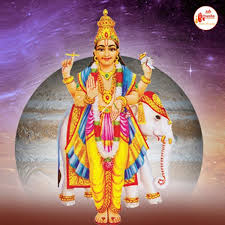
As we move through July 2026, many seekers ask the timeless question: when will I marry? While the birth chart (D1) shows the promise of partnership, the Navamsa or D9 chart is regarded as the fruit of the tree — the chart that refines and confirms marriage timing. In this article we explore how to read the D9 for marriage, using classical rules from BPHS and practical steps you can apply to your own chart.
Why Navamsa is the key chart for marriage in Vedic astrology
According to the Brihat Parashara Hora Shastra (BPHS), the Navamsa is the most important divisional chart for assessing the strength of planets and the outcomes of marriage. The D1 chart indicates whether marriage is promised, but the D9 reveals the quality, timing, and stability of that union. If benefic planets occupy or aspect the 7th house of the D9, marriage tends to be early and harmonious; malefic influence can delay or create obstacles. The Navamsa lagna (ascendant) shows the self in the context of partnership, making its lord a crucial timing indicator.
Think of the D1 as the seed and the D9 as the plant that bears fruit. A strong D9 lagna lord, well‑placed Venus, and a unafflicted 7th house often point to marriage within the first Saturn cycle after birth. Conversely, if the D9 lagna lord is debilitated, combust, or hemmed between malefics, marriage may be postponed or require remedial effort.
How to assess marriage promise in D1 and confirm timing in D9
Before diving into the D9, verify that marriage is indicated in the birth chart. Look for:
- The 7th house lord in D1 is not severely afflicted (no conjunction with Saturn, Mars, Rahu/Ketu without benefic aspect).
- Venus, the karaka for marriage, is placed in a kendra or trikona and receives aspect from Jupiter or Mercury.
- The 7th house itself is not occupied by malefics without benefic protection.
If these conditions are met, move to the D9 chart. Here the same factors are examined, but their weight is amplified. A strong D9 lagna lord in a kendra or trikona, especially if it aspects the D9 7th house, confirms that the marriage promise will fructify. The D9 7th house lord’s placement and aspects further refine the timing.
For example, if your D1 shows Venus in the 5th aspecting the 7th, but in D9 Venus is exalted in the 9th and aspects the 7th, marriage is likely to occur during the Venus‑Mahadasha or a favorable sub‑period. If instead Venus in D9 is debilitated in the 6th, marriage may face delays or require effort.
Role of Navamsa lagna lord and its connection to 7th house
The Navamsa lagna lord (the ruler of the D9 ascendant) acts as the ‘marriage trigger’ when it connects with the D9 7th house or its lord. Classical texts state that when the D9 lagna lord occupies, aspects, or is in mutual exchange with the D9 7th house, marriage tends to manifest during the period ruled by that planet.
Consider the following scenarios:
- D9 lagna lord in the D9 7th house: marriage often occurs early, within the first 24‑30 years, especially if the lord is benefic (Moon, Mercury, Jupiter, Venus).
- D9 lagna lord aspecting the D9 7th house: timing aligns with the dasha of the lagna lord or the planet aspecting it.
- Mutual exchange (parivartana yoga) between D9 lagna lord and D9 7th lord: a powerful yoga that can bring marriage during the dasha of either planet, often with favorable outcomes.
If the D9 lagna lord is placed in the 6th, 8th, or 12th house of the D9, marriage may be delayed or face obstacles unless it receives a strong benefic aspect from Jupiter or Venus.
Using Venus, Jupiter, and 7th lord in D9 for marriage timing
Venus is the natural significator of marriage; its condition in the D9 is paramount. Jupiter, as the guru and benefic, supports marital happiness when well‑placed. The D9 7th lord shows the partner’s nature and the timing of union.
Key rules:
- Venus in a kendra (1st, 4th, 7th, 10th) or trikona (1st, 5th, 9th) of the D9, especially aspected by Jupiter, indicates marriage during Venus‑Mahadasha or a sub‑period of Venus with a benefic.
- Venus in the 2nd house of D9 can suggest early marriage, often linked to family wealth or early settlement.
- Venus in the 6th, 8th, or 12th without benefic aspect may delay marriage; look to the dasha of the dispositor of Venus or a strong Jupiter transit for relief.
- Jupiter in the D9 7th house or aspecting the 7th house brings marital blessings and can trigger marriage during its dasha or antardasha, even if Venus is weak.
- The D9 7th lord placed in its own sign, exalted, or in a kendra/trikona tends to produce marriage during its dasha. If the 7th lord is retrograde or combust, marriage may face delays or require multiple attempts.
For instance, if your D9 shows Venus in the 9th house exalted in Pisces, aspected by Jupiter from the 5th, marriage is likely to occur during the Venus‑Mahadasha, especially in a sub‑period of Jupiter or Mercury. If instead Venus is in the 12th house with Saturn’s aspect, marriage may be postponed until Saturn’s influence wanes, perhaps during a Venus‑Mercury period when Mercury gains strength.
Common yogas and doshas affecting marriage timing in Navamsa
Certain planetary combinations in the D9 either accelerate or hinder marriage. Recognizing these helps you set realistic expectations and choose appropriate remedies.
| Yoga / Dosha | Effect on Marriage Timing | Indicative D9 Placement |
|---|---|---|
| Gajakesari Yoga (Moon‑Jupiter) | Early, happy marriage | Moon and Jupiter in kendra or mutual aspect |
| Venus‑Jupiter conjunction | Marriage during Venus or Jupiter dasha, often love‑based | Venus and Jupiter together in 1st, 5th, 7th, 9th |
| Mars‑Saturn affliction to 7th house | Delay, obstacles, possible separation | Mars or Saturn in 7th house, or aspecting it without benefic |
| Rahu/Ketu in 7th house | Unconventional or delayed marriage; may involve foreign partner | Rahu or Ketu occupying D9 7th |
| Papakartari Yoga (malefics flanking 7th) | Obstacles, need for remedies | Malefic in 6th and 8th house of D9 around the 7th |
| Budhaditya Yoga (Sun‑Mercury) | Marriage linked to career or education | Sun and Mercury conjunct in kendra/trikona |
If you find a dosha such as Papakartari Yoga affecting the D9 7th house, marriage may be delayed until the malefic’s influence weakens — often after the dasha of the malefic ends or during a benefic transit that lifts the obstruction.
Remedies for delayed or denied marriage in Navamsa
When the D9 shows impediments, Vedic remedies can help mitigate negative influences and strengthen the marriage promise. Choose remedies based on the afflicting planet and the house involved.
Mantras
- For Venus affliction: Shukra Beej Mantra "ॐ शुं शुक्राय नमः" (Om Shum Shukraya Namah) – 108 times daily, preferably on Friday.
- For Jupiter weakness: Guru Beej Mantra "ॐ ग्रां ग्रीं ग्रौं सः गुरवे नमः" (Om Gram Grim Grauh Sah Gurave Namah) – 108 times daily, Thursday.
- For Saturn delay: Shani Mantra "ॐ शं शनैश्चराय नमः" (Om Sham Shanaischaraya Namah) – 108 times daily, Saturday.
- For Mars/Kuja dosha: Mangal Beej Mantra "ॐ क्रां क्रीं क्रौं सः भौमाय नमः" (Om Kram Krim Kraum Sah Bhaumaya Namah) – 108 times daily, Tuesday.
Gemstones
- Weak Venus: Wear a natural diamond or white sapphire (Heera) set in silver or platinum, on the little finger of the right hand.
- Afflicted Jupiter: Yellow sapphire (Pukhraj) set in gold, on the index finger of the right hand.
- Weak Mars: Red coral (Moonga) set in copper or gold, on the ring finger of the right hand.
- Afflicted Saturn: Blue sapphire (Neelam) set in silver or platinum, on the middle finger of the right hand (only after thorough astrological confirmation).
Charity and Fasting
- Donate white items (rice, milk, cloth) on Fridays to strengthen Venus.
- Donate yellow items (turmeric, chana dal, bananas) on Thursdays for Jupiter.
- Feed black sesame seeds or donate iron items on Saturdays to appease Saturn.
- Fast on Fridays (Venus) or Thursdays (Jupiter) consuming only fruits or milk can help reduce malefic influence.
Lifestyle Adjustments
- Practice gratitude and harmony in relationships; avoid harsh speech, especially if Mars or Saturn afflicts the D9 7th.
- Engage in activities that strengthen Venus: art, music, dance, or spending time in nature.
- If the D9 lagna lord is weak, wear its associated color (e.g., green for Mercury, white for Moon) and perform activities ruled by that planet on its day.
Remember, remedies work best when performed with faith and consistency. Consulting a knowledgeable astrologer for personalized timing (e.g., selecting a shubha muhurat based on D9 transits) can further enhance results.
— Written by RashibyteAI
No comments yet. Be the first to share your thoughts!