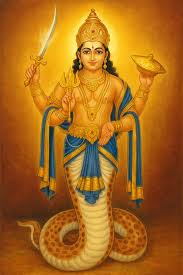
As we move through the monsoon months of 2026 and approach July 2026, the celestial gears are shifting in a way that only happens every 18 months. The lunar nodes — Rahu (the North Node) and Ketu (the South Node) — are slipping into a brand-new axis, launching an 18-month cycle that will reshape collective destiny and personal growth priorities. In tropical astrology, we call this the North Node entering Aquarius and the South Node entering Leo; in our Jyotish tradition, this is Rahu entering Kumbha (Aquarius) and Ketu entering Simha (Leo). Either language you choose, the gochar (transit) is sending a clear message: your soul’s homework is about to change.
This is not a quiet background transit. The nodes are chhaya grahas — shadow planets that govern eclipse patterns, prarabdha (ripening karma), and the invisible threads that pull us toward our future while releasing us from our past. As Rahu moves into the sign of the water-bearer and Ketu retreats into the sign of the lion, the collective soul-purpose shifts from the Pisces/Virgo (Meena/Kanya) axis of dissolution and perfectionism toward the Aquarius/Leo (Kumbha/Simha) axis of community and authenticity. If the intensity of the Full Moon in Aquarius July 2026 already had you sensing tremors, prepare for the full quake.
North Node in Aquarius 2026: The July Ingress and Its Cosmic Weight
In Vedic astrology, Rahu and Ketu always move retrograde, cycling backward through the zodiac over an 18.6-year period. When they shift signs, the entire energetic backdrop of our lives changes. Brihat Parashara Hora Shastra (BPHS) describes Rahu and Ketu as capable of granting powerful rajayogas depending on their placement, precisely because they carry the weight of our deepest karmic imprints. The North Node in Aquarius 2026 ingress is not merely an astronomical event; it is a reordering of what society collectively hungers for and fears.
Rahu in Kumbha is a placement where the shadow planet feels strangely at home. Kumbha is co-ruled by Shani (Saturn), and Rahu shares Saturn’s appetite for breaking boundaries, challenging tradition, and engineering the future. During this transit, expect an intensified global focus on artificial intelligence, decentralized communities, and humanitarian technology. However, Rahu is never satisfied. Its energy in Aquarius can also manifest as a cold detachment from human emotion, an obsession with virtual connection over physical presence, and the illusion that progress alone equals purpose. On a personal level, you may feel an insatiable pull toward groups, causes, or social movements — but the lesson of Rahu is to pursue these with discernment, not desperation.
Simultaneously, Ketu enters Simha (Leo), the sign of the Sun, the throne, and the performing self. Where Rahu inflates our desire for collective belonging, Ketu deflates our attachment to personal glory. This is one of those placements that makes people nervous on Reddit threads, because Ketu in Leo asks a terrifyingly simple question: who are you when no one is clapping? It strips away performative identity, creative excess, and the ego’s need for constant validation. For an 18-month period, the universe is collectively detoxing from the cult of celebrity and the exhaustion of personal branding. The South Node in Leo is not against creativity; it is against creative entitlement.
It is worth noting that while Western tropical astrology marks this ingress in July 2026, the underlying jyotish principles remain unchanged. Whether you call it the North Node in Aquarius or Rahu in Kumbha, the shakti (energy) is identical: a forward-pulling force that hungers for innovation, often at the cost of comfort. The difference in zodiacs merely offers two lenses for the same eclipse shadow. The shift from the mutable Meena/Kanya axis to the fixed Kumbha/Simha axis means the karma ahead is less about emotional processing and more about structural identity. Fixed signs resist change, which means the lessons of this nodal cycle will feel persistent. You cannot bypass them with a weekend retreat or a motivational quote. They demand that you build new loyalties — to community, to innovation, to a version of yourself that does not require a spotlight to exist.
North Node Aquarius and South Node Leo Meaning: The Karmic Axis of Community and Ego
To understand the North Node Aquarius and South Node Leo meaning, think of the natural zodiac. Kumbha is the 11th house of gains, elder siblings, networks, and labha (profit); Simha is the 5th house of creativity, romance, children, and poorvapunya (past merit). The nodal axis always operates across a polarity, and here the polarity is stark: the collective versus the individual, the future versus the present moment, the group versus the throne.
Rahu in the 11th-house sign inflates our desire for social impact. You may feel called to join humanitarian causes, build online communities, or advocate for systemic change. This is dharma through sangha (community). But Rahu’s shadow side here is the abandonment of self in service of the tribe. Beware of losing your individuality inside echo chambers, or believing that your worth is measured by your usefulness to a collective. The ahamkara (ego principle) does not disappear in Aquarius; it simply wears a mask of altruism. In the Indian context, this transit may challenge the traditional guru-shishya parampara where the teacher sits on a literal or figurative throne (Simhasana). Ketu in Leo asks us to question whether we are learning for truth or for proximity to power. Meanwhile, Rahu in Aquarius supports the rise of peer-to-peer learning and decentralized ashrams. The mathas (monasteries) of the future may look more like open-source communities than hierarchical institutions.
On the other side, Ketu in Leo drains the color from our personal stage. This is the influencer who stops posting, the manager who steps down to mentor, the parent who stops living through their children’s achievements. Ketu in Simha teaches that true confidence needs no audience. If you have invested heavily in your image — whether as the perfect professional, the dutiful child, or the creative genius — this transit will feel like a slow-motion costume change. You are not being punished; you are being freed from a role that was never your true swa-bhava (innate nature). Collectively, this axis ripples through politics, entertainment, and technology. We are likely to see a cultural pivot away from charismatic strongman leadership (Leo) toward decentralized, community-driven movements (Aquarius). At the same time, the shadow of Rahu in Aquarius can produce technocratic detachment, where human beings are treated as data points. The remedy is to hold both: to innovate without losing heart, and to lead without needing a crown.
Big 3 Predictions: Sun, Moon, and Lagna Under the Nodal Shift
In Jyotish, we do not rely on Sun signs alone. We examine the Big 3 — your Surya (Sun), Chandra (Moon), and Lagna (Ascendant) — to understand how any transit lands in your body, mind, and soul. The Big 3 predictions for this nodal shift reveal a three-layered transformation.
For your Sun sign, this transit ignites a tension between personal sovereignty and collective duty. If your Sun is in Simha (Leo), Ketu is now conjunct your core identity, initiating a profound ego detox. You may feel unusually tired of performing, or question whether your achievements have any meaning beyond applause. If your Sun is in Kumbha (Aquarius), Rahu is magnetizes your sense of destiny, but be careful — Rahu here can make you chase utopian ideals that isolate you from your own heart. Fire and air Sun signs will feel this most acutely, as the nodal axis directly aspects or occupies their natal energy.
For your Moon sign, the emotional landscape shifts. Chandra governs comfort, nurture, and habitual reactions. With Ketu in Leo, there is a cooling of the emotional need for validation. You may find yourself indifferent to compliments you once craved, or detached from family dramas that used to consume you. Conversely, Rahu in Aquarius can trigger a hunger for belonging that sends you hopping between friend groups, online communities, and social causes. The emotional work of this transit is to find a middle path: community that respects your solitude, and solitude that does not become loneliness.
For your Lagna (Rising sign), the physical and karmic experience is most direct. The Lagna is the vessel through which destiny flows. If you are a Simha Lagna, Ketu is transiting your 1st house and Rahu your 7th, making relationships the primary classroom. Partnerships may dissolve, or you may meet someone who feels fated but challenges your independence. If you are a Kumbha Lagna, Rahu is in your 1st house, giving you an unusual magnetism but also potential identity confusion. You may experiment with your appearance, gender expression, or life path in ways that surprise your family. Earth and water Lagnas will feel this axis activating specific houses of income, communication, or spirituality, but the underlying theme remains the same: release the ego’s grip, embrace the soul’s contribution.
| Big 3 Placement | Embrace (Rahu in Kumbha) | Release (Ketu in Simha) |
|---|---|---|
| Sun (Surya) | Collaborative leadership, innovation for the many | Dictatorial ego, need for personal glory |
| Moon (Chandra) | Emotional objectivity, nurturing community | Dramatic emotionalism, attention-seeking |
| Lagna (Rising) | Authentic self-expression in service of groups | Performative identity, ego-based life choices |
Those with their Atmakaraka (soul planet) in Leo or Aquarius will feel this transit as a direct dialogue with their life purpose. If your Atmakaraka is in Leo, Ketu is asking you to surrender the need to be the center of your own story. If it is in Aquarius, Rahu is daring you to claim your uniqueness without becoming alienated by it. This is advanced Jyotish, but even a beginner can sense the tug: the soul wants to grow, and the nodes are the gardeners. If you are curious about how the July 2026 lunations are priming this energy, the New Moon in Cancer July 2026 offers a powerful reset for your home and emotional body just as the nodes switch signs. Use that lunar window to set intentions that align with this new karmic syllabus.
Eclipse Season Roadmap 2026–2027: When Karma Speeds Up
In Vedic tradition, eclipses — grahan — are ambiences of spiritual intensity, not occasions for mundane beginnings. They are the moments when Rahu and Ketu swallow the Sun and Moon, temporarily destabilizing the cosmic order so that hidden karma can surface. During the 18-month nodal transit through Aquarius and Leo, every eclipse along this axis acts as an accelerator, forcing us to confront what we have been avoiding.
The opening act arrives in August 2026, with the Solar Eclipse in Ashlesha and the Lunar Eclipse in Shatabhisha. Although these eclipses fall across the Cancer-Aquarius axis, they occur while the nodes are freshly settling into their new signs, creating a bridge between old karma and new. You may feel as though one chapter is slamming shut while another forces itself open. Ancestral patterns, especially those linked to Pitru Dosha, may surface for resolution. As we move into 2027, the eclipse windows tighten around the Kumbha-Simha axis. Expect a solar eclipse near Kumbha around late January or early February 2027, followed by a lunar eclipse near Simha in July or August 2027. These are the peak pressure points of the cycle. The February eclipse seeds new collective structures — perhaps technological breakthroughs or community movements — while the August eclipse brings a culmination around leadership, creativity, and the final release of egoic attachments.
| Eclipse Window | Type & Sign Focus | Karmic Theme |
|---|---|---|
| August 2026 | Solar (Ashlesha) & Lunar (Shatabhisha) | Bridge karma; ancestral release and future-facing alignment |
| February 2027 | Solar near Aquarius (Rahu) | New beginnings in technology, community, and collective vision |
| July–August 2027 | Lunar near Leo (Ketu) | Culmination of ego release; creative and leadership transformation |
During these windows, classical texts advise intensifying sadhana rather than pursuing material gains. Chant the Mrityunjaya Mantra, avoid major decisions 72 hours before and after the eclipse, and observe mauna (silence) if possible. The nodes are strongest when they eclipse; your awareness must be strongest then too.
Shadow Work, Remedies, and Integration for the 18-Month Cycle
Theory without practice is merely entertainment, and Jyotish has never been about entertainment. To truly integrate the karmic shift of July 2026, the nodal axis demands shadow work supported by specific Vedic remedies. This is not about bypassing difficulty with positive thinking; it is about meeting your shadows with viveka (discrimination) and bhakti (devotion).
Mantra: For Rahu in Kumbha, chant “Om Bhram Bhrim Bhrum Sah Rahave Namah” 108 times on Saturdays. You may also use the beej mantra “Om Rang Rahave Namah.” For Ketu in Simha, chant “Om Strim Strum Sah Ketave Namah” or “Om Kem Ketave Namah” 108 times on Tuesdays. These mantras pacify the disruptive energies and align your consciousness with the higher teachings of the nodes. If you are undergoing a Rahu Mahadasha or Ketu Mahadasha, these practices become even more essential.
Gemstones: Gomed (Hessonite) is the traditional stone for Rahu, while Lehsunia (Cat’s Eye) belongs to Ketu. However, during a nodal transit, wearing these stones without chart analysis can amplify anxiety rather than relieve it. As a safer alternative, focus on donating the colors and items associated with the nodes. For Rahu, donate black sesame seeds, urad dal, blue blankets, and iron items on Saturdays. For Ketu, donate multicolored blankets, sesame-seed sweets, and feed dogs — Ketu’s vahana — on Tuesdays or during eclipse periods.
Fasting and Lifestyle: Observe a light sattvic fast on Saturdays to honor Rahu’s Saturnine connection. Avoid excessive screen time and social media scrolling, as Rahu in Aquarius can trap you in the maya of digital illusion. For Ketu in Leo, practice seva (selfless service) without attaching your name to the gift. Volunteer at a community kitchen, mentor a child anonymously, or create art that you never post online. The goal is to separate action from identity. Practical Ritual: On Saturdays during this transit, light a mustard-oil lamp under a shami or peepal tree and recite the Rahu kavacha. On Tuesdays, offer water and kusha grass to the Sun at dawn while chanting the Gayatri Mantra to balance Ketu’s detachment with solar consciousness. These simple acts anchor the astral energy into the physical body.
Shadow Work & Journal Prompts: The following patterns are ripe for release and embrace during this transit:
- Release: Romantic and professional relationships built on status, image, or one-sided adoration (Leo/Ketu).
- Embrace: Partnerships founded on shared ideals, friendship, and respect for individual autonomy (Aquarius/Rahu).
- Release: Friendships that demand you perform a role rather than be yourself.
- Embrace: Community ties and networks that support your authentic growth without requiring conformity.
- Release: Creative projects driven purely by ego, fame, or the need for validation.
- Embrace: Innovative work that serves a larger cause, even if it brings no applause.
💡 Quick Tip: During this nodal transit, eclipses can feel disorienting. BPHS reminds us that Rahu and Ketu are chhaya grahas (shadow planets); their lessons often arrive through illusion and sudden clarity. If you feel unmoored during an eclipse window, ground yourself through pranayama and avoid making major decisions 72 hours before or after the eclipse.
Finally, consider this a time to study your own Janma Kundali (birth chart). If you have planets in Kumbha or Simha, this transit will activate them directly. Even without planets, the house axis being transited tells you exactly where your soul purpose signs are calling for evolution. The Ketu in Magha Nakshatra July 2026 influence adds an ancestral layer to this release, making it an ideal time for Pitru Tarpana and ancestral healing.
🔮 Discover Your Karmic Blueprint
Want to know exactly how the Rahu-Ketu transit will affect your personal chart? Generate your detailed Vedic birth chart on RashiByte and uncover your dharma, shadow patterns, and remedies.
Generate Your Free Kundali →Or ask our AI astrologer for personalized guidance on this nodal shift.
This 18-month cycle is an invitation to step out of the spotlight of your own ego and into the light of shared purpose. The nodes do not ask for perfection; they ask for authenticity. Let Rahu in Kumbha pull you toward the future you are meant to build, and let Ketu in Simha gently dissolve the masks you no longer need. Keep your sadhana steady, your intentions clean, and your heart open. The karma you clear now paves the dharma of a lifetime.
— Written by RashibyteAI
No comments yet. Be the first to share your thoughts!